Turn on cookies to sign in
Signing in saves your progress to your Curie account. We can only do that with cookies on — turn them on to continue.
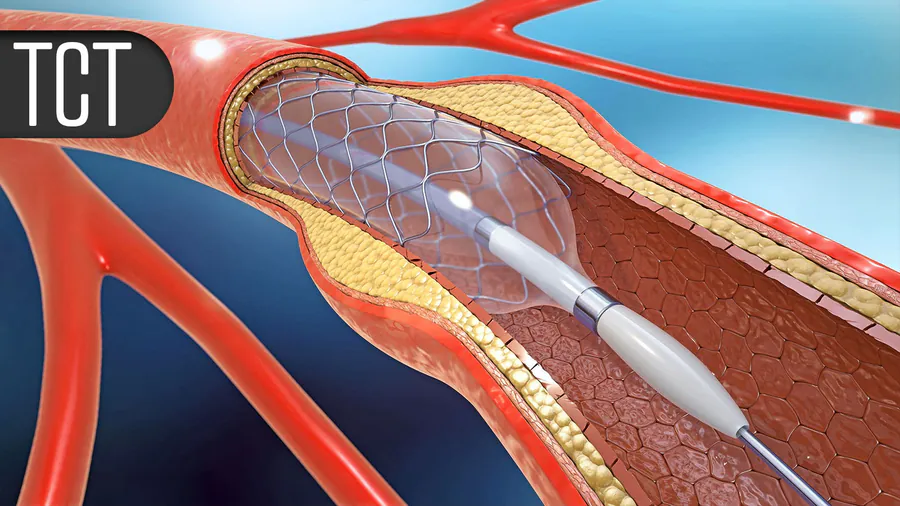
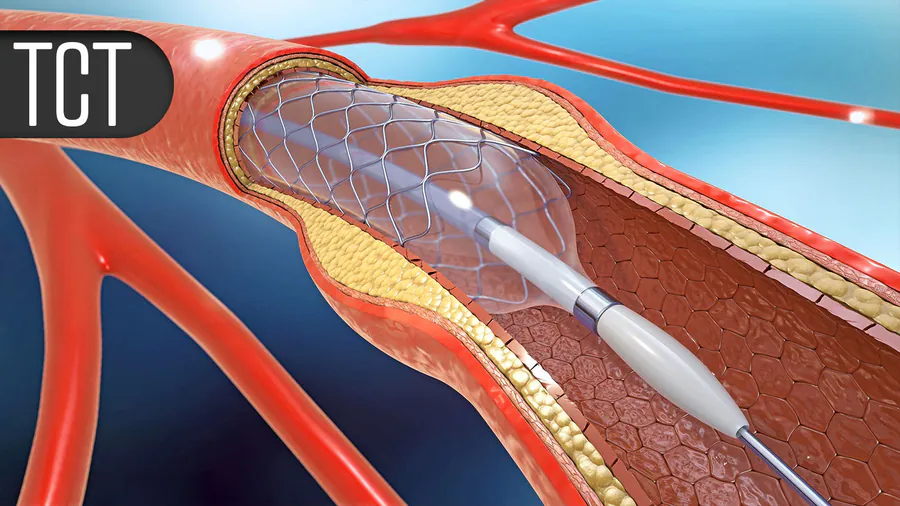
Double-tapping the balloon during TAVR pays off. The DUOTAP trial found that routine postdilation — reinflating the balloon a second time after valve deployment — significantly improved transcatheter heart valve geometry, cut paravalvular leak rates, and reduced leaflet thickening. Experts say the findings make a compelling case for making postdilation standard practice, though long-term durability data are still needed.
Double-tapping the balloon during TAVR pays off
A small but deliberate extra step during transcatheter aortic valve replacement (TAVR) could meaningfully improve outcomes for patients with severe aortic stenosis. The DUOTAP trial, presented at the Transcatheter Cardiovascular Therapeutics (TCT) conference and published in JAMA Cardiology, found that routine postdilation — reinflating the balloon a second time after valve deployment — sharply improved the geometry of the implanted valve and delivered several downstream benefits.
The trial randomized 148 patients undergoing TAVR with a Sapien balloon-expandable platform to either postdilation or standard care. Postdilation largely corrected device asymmetry and was linked to better valve performance on both echocardiography and cardiac CT. While safety concerns like annulus rupture and pacemaker dependency have historically made operators hesitant, DUOTAP showed a favorable — though not statistically significant — safety trend.
By the Numbers
Why it matters: Asymmetric valve expansion after TAVR is common and can lead to higher residual gradients and impaired valve performance. These findings give clinicians a strong evidence-based nudge to routinely postdilate — though experts stress that longer-term data on valve durability are still needed before it becomes universal practice.