Turn on cookies to sign in
Signing in saves your progress to your Curie account. We can only do that with cookies on — turn them on to continue.
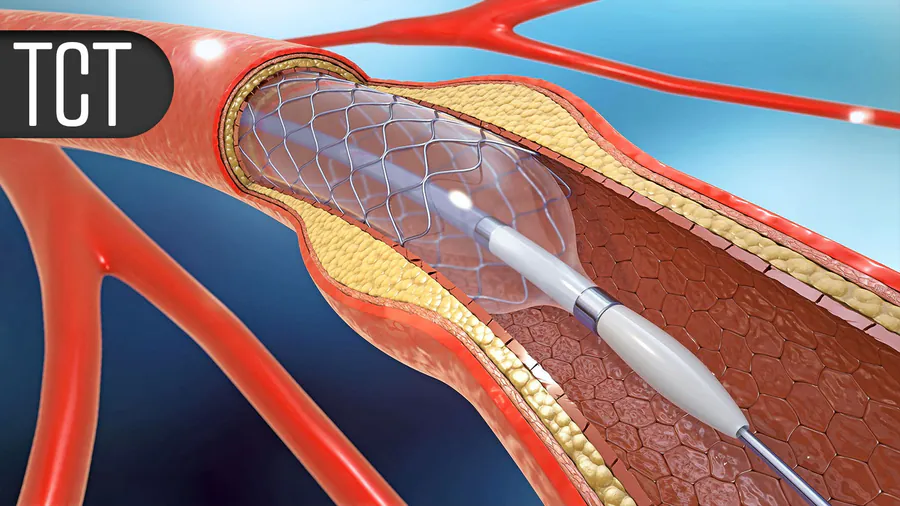
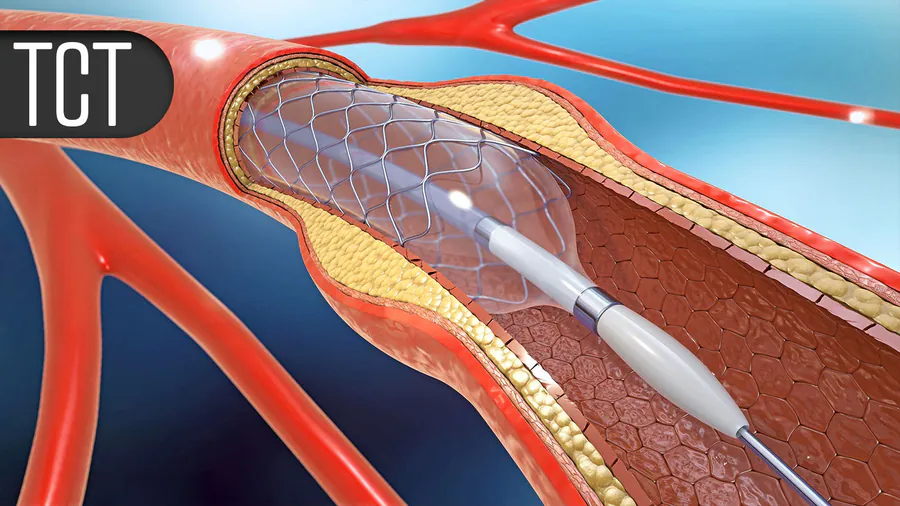
A new win for tricuspid valve repair: The Pascal Precision TEER device outperformed medical therapy alone in the CLASP II TR trial, with patients reporting significantly better quality of life at 6 months. The trial, though complicated by a shortened timeline, supported the device's recent FDA approval for tricuspid regurgitation. Experts say the results add to a growing body of evidence favoring transcatheter tricuspid intervention.
A new win for tricuspid valve repair, with some caveats
The Pascal Precision transcatheter edge-to-edge repair (TEER) system beat out optimal medical therapy alone in the CLASP II TR pivotal trial for patients with symptomatic severe tricuspid regurgitation (TR). The primary endpoint — a hierarchical analysis covering death, major cardiac events, HF hospitalizations, and health status — yielded a win ratio of 1.98 in favor of the device. The benefit was largely driven by quality-of-life improvements at 6 months, as measured by the Kansas City Cardiomyopathy Questionnaire (KCCQ).
The trial had a complicated path: originally designed with a 24-month endpoint, it was revised to 6 months after control-group patients migrated to commercially available tricuspid therapies following FDA approvals in 2024. Experts acknowledged the analysis faced limitations, but affirmed its value in supporting the Pascal Precision's FDA approval for tricuspid valve repair in October 2026.
By the Numbers
Why it matters: CLASP II TR is the fourth randomized trial to show tricuspid TEER outperforms medical therapy, reinforcing a growing clinical consensus. With FDA approval now in hand and registry data continuing to accumulate, the field is moving closer to defining which patients benefit most — and when to intervene.