Turn on cookies to sign in
Signing in saves your progress to your Curie account. We can only do that with cookies on — turn them on to continue.
A major trial found that using coronary calcium scans to guide statin prescribing led to far fewer treatment recommendations than traditional risk scores — yet produced the same rate of major cardiovascular events. The real surprise? Patients guided by scans were nearly three times more likely to actually take their medication. The findings could reshape how doctors approach heart disease prevention.
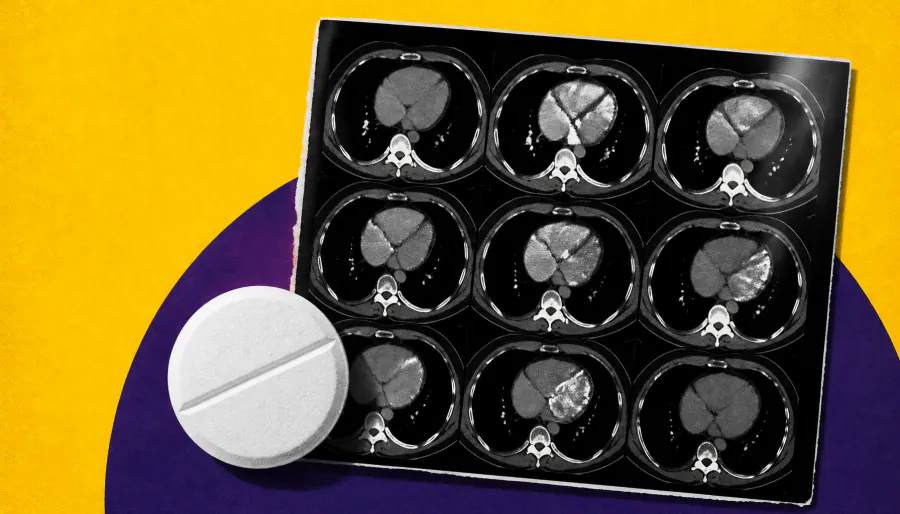
A major clinical trial is shaking up how doctors think about statin prescribing. The CorCal Outcomes trial, presented at ESC Congress 2026, enrolled nearly 5,800 adults with no prior history of cardiovascular disease or statin use. Half received statin guidance based on traditional risk calculators; the other half were guided by coronary artery calcium (CAC) scans — CT imaging that detects actual plaque buildup in the arteries.
Despite recommending statins to far fewer patients, the CAC-guided approach produced the same observed rate of major cardiovascular events (2.7% in both groups) over an average 4.2-year follow-up. However, the trial fell short of its statistical threshold for proving the two approaches are equally effective, partly due to lower-than-expected event rates.
The standout finding was adherence: patients recommended statins based on their scan results were dramatically more likely to follow through on treatment — possibly because seeing real evidence of disease in their own arteries is a powerful motivator.
By the Numbers
Why it matters: If future, better-powered trials confirm these findings, coronary calcium scans could help doctors prescribe statins more precisely — targeting those most likely to benefit and most likely to stick with treatment — without leaving patients at greater cardiovascular risk.