Turn on cookies to sign in
Signing in saves your progress to your Curie account. We can only do that with cookies on — turn them on to continue.
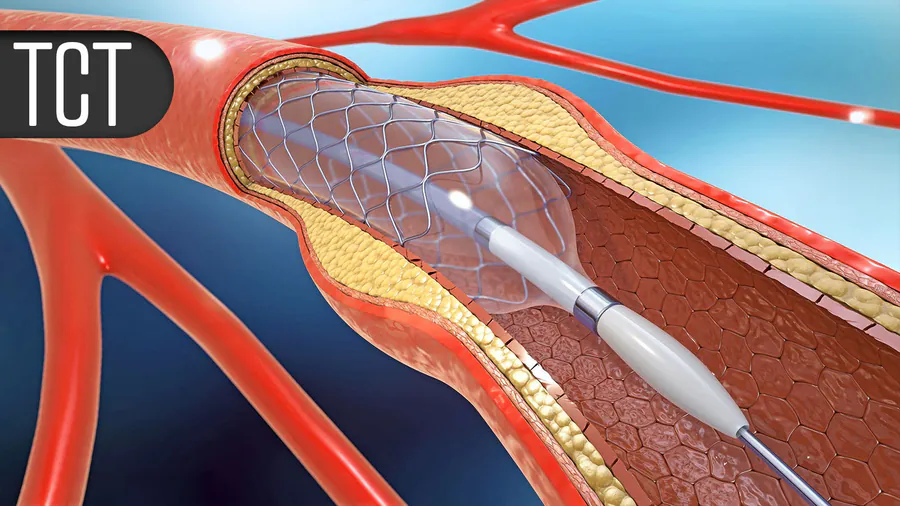
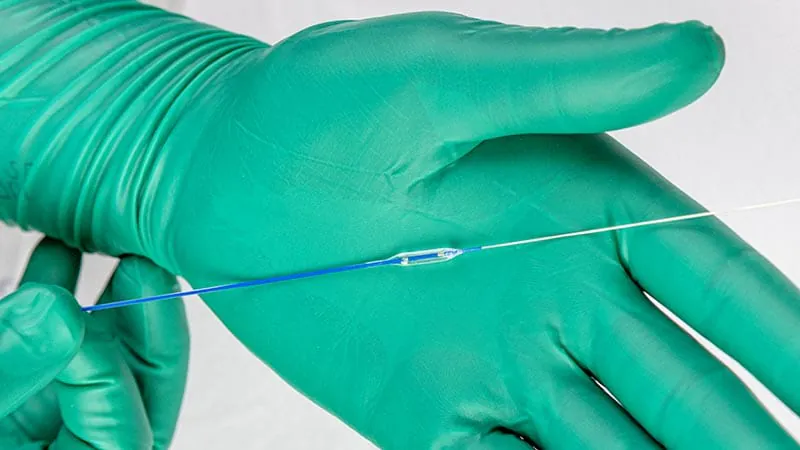
Going stent-free just got more credible. The TRANSFORM II trial found that the Magic Touch sirolimus drug-coated balloon (DCB) was just as effective as standard drug-eluting stents (DES) for treating de novo coronary lesions, with target lesion failure rates of 2.1% vs. 2.4% at 12 months. The findings add to growing evidence that leaving no permanent metal behind during PCI is a viable option — though cost and patient selection remain key hurdles.
Going stent-free just got more credible in coronary artery disease treatment. The TRANSFORM II trial, presented at the Transcatheter Cardiovascular Therapeutics (TCT) 2026 conference, found that the Magic Touch sirolimus drug-coated balloon (DCB) was noninferior to standard everolimus drug-eluting stents (DES) for treating de novo (native) coronary lesions. With target lesion failure rates of just 2.1% vs. 2.4% at 12 months, the DCB met prespecified noninferiority criteria — a meaningful result for a "leave nothing behind" approach to PCI.
Unlike DES, DCBs don't leave permanent metal in the artery. The Magic Touch releases sirolimus into the arterial wall over 8–12 weeks, potentially reducing long-term complications. These results, combined with last year's SELUTION De Novo trial, are building a stronger case for DCBs in native coronary disease — though experts caution there's no "class effect," meaning not all DCBs are equal.
By the Numbers:
Why it matters: DCBs could offer a compelling stent-free alternative for select patients, but widespread adoption hinges on resolving significant cost disparities and identifying which patients benefit most — questions that longer-term follow-up data, planned through 5 years, may help answer.