Turn on cookies to sign in
Signing in saves your progress to your Curie account. We can only do that with cookies on — turn them on to continue.

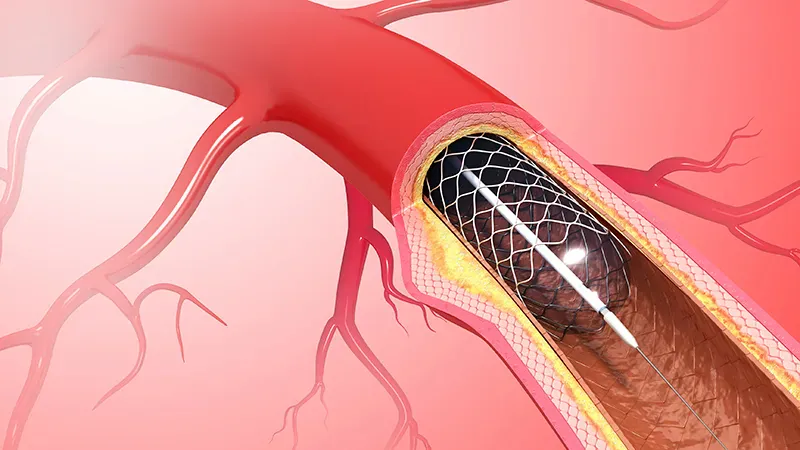
Skip the metal? Drug-coated balloons are proving to be a solid alternative to stents for treating coronary artery disease. A new meta-analysis of over 7,800 patients found no significant difference between the two approaches in cardiovascular death, heart attack, or stent thrombosis — opening the door to more personalized, patient-driven treatment decisions.
Skip the metal? Drug-coated balloons are holding their own against stents.
A new meta-analysis published in eClinicalMedicine found that drug-coated balloons (DCBs) perform just as well as traditional stents for treating de novo coronary artery disease — even in larger vessels. Researchers analyzed 10 studies involving more than 7,800 patients and found no meaningful difference in cardiovascular death, myocardial infarction, or stent thrombosis between the two approaches.
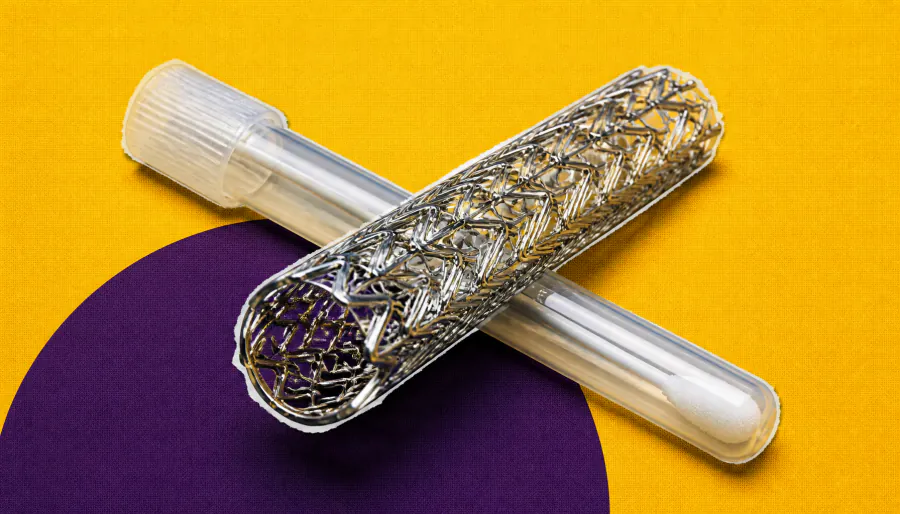
The findings are significant for patients who'd rather not have a permanent metal implant in their arteries. DCBs also reduce the need for long-term antiplatelet therapy, making them especially appealing for patients at higher bleeding risk. Experts say the results support a more personalized approach — letting patient anatomy, frailty, and preferences guide the choice between balloons and stents.
By the Numbers:
Why it matters: As DCB technology matures and more cardiologists gain experience with the technique, balloons could become a mainstream alternative to stents — giving patients and physicians more flexibility in tailoring treatment to individual needs.