Turn on cookies to sign in
Signing in saves your progress to your Curie account. We can only do that with cookies on — turn them on to continue.
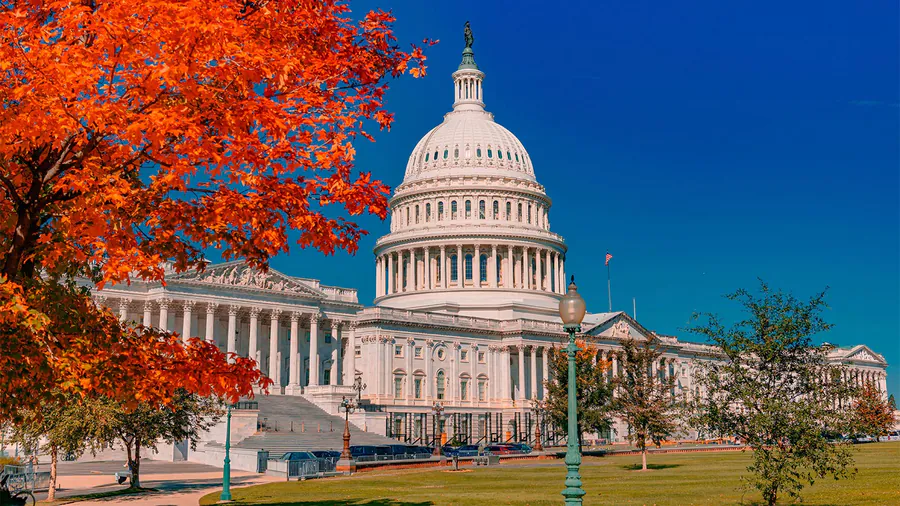
With midterms in the rearview mirror, health policy watchers are sizing up Congress's to-do list. A Medicare physician payment "doc fix" looks most likely, while fixes to the No Surprises Act and the 340B drug discount program face long odds. Expect mostly small tweaks — not sweeping reforms — before the new year.
With midterm elections decided, Washington insiders are turning their attention to what Congress might actually accomplish on healthcare before the year wraps up. The consensus among policy experts: don't hold your breath for big changes. Any healthcare legislation is likely to hitch a ride on "must-pass" vehicles like appropriations bills, the National Defense Authorization Act, or the Farm Bill.
The most likely win? A Medicare "doc fix" to counteract CMS's proposed 1%+ cut to physician reimbursement rates — a move with bipartisan appeal since it's largely a funding issue. Standard Medicare extenders, including telehealth authority and hospital-at-home programs, are also expected to move through without much controversy.
Tougher lifts include reforms to the No Surprises Act — the law banning surprise out-of-network bills — whose arbitration system has frustrated both payers and providers, but lacks a clear fix. Changes to the 340B drug discount program are also unlikely, with hospitals preferring a delay. Price transparency legislation, however, could find its way into a final package.
Key Takeaways:
Why it matters: For healthcare providers and patients alike, the post-election lame-duck session could determine physician pay rates, drug pricing structures, and surprise billing rules heading into 2027 — making the stakes real even if the legislative ambitions stay modest.