Turn on cookies to sign in
Signing in saves your progress to your Curie account. We can only do that with cookies on — turn them on to continue.
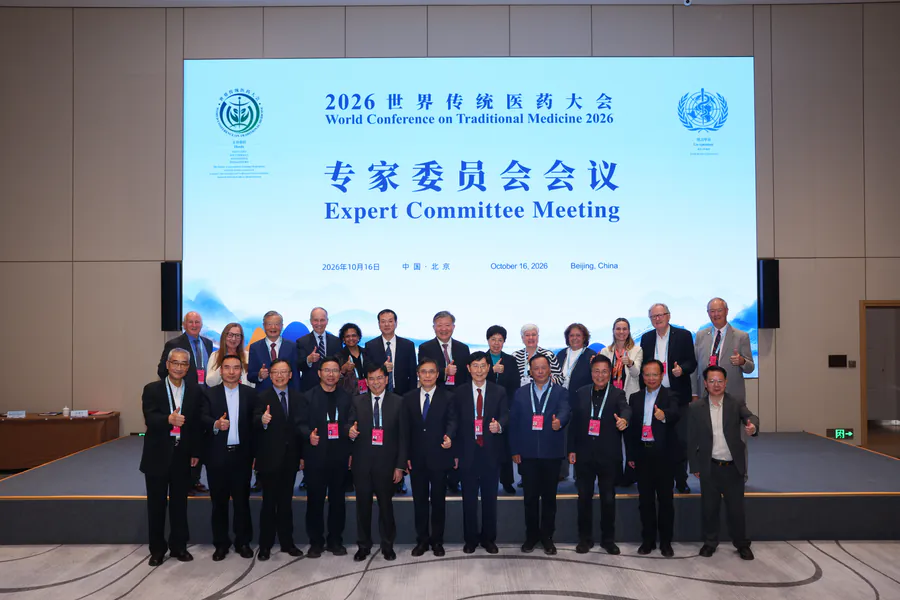
The World Conference on Traditional Medicine 2026 wrapped up in Beijing with major milestones, including a new global alliance and an AI-focused report on traditional medicine. Nearly 2,000 participants from 103 countries gathered to push for better integration of traditional medicine into mainstream health systems. WHO co-sponsored the event, emphasizing that tradition and science don't have to be at odds.
The World Conference on Traditional Medicine 2026 concluded in Beijing on October 18, bringing together nearly 2,000 participants from 103 countries to chart a path forward for traditional medicine on the global stage. Co-hosted by China's top health authorities and co-sponsored by WHO, the two-day event produced several landmark outcomes, including the adoption of the Beijing Initiative on the Conservation and Sustainable Use of Traditional Medicinal Plant Resources and the establishment of the Global Alliance for Traditional and Integrative Medicine (GATIM).
The conference also saw the release of a report on artificial intelligence empowering traditional medicine development and the promotion of the New-Era Shennong Herbal Project — signaling a clear push to modernize ancient practices through technology. China's Premier Li Qiang called for stronger international cooperation and announced plans to digitally transform Traditional Chinese Medicine (TCM), inviting global research institutions to participate.
By the Numbers:
Why it matters: As traditional medicine gains traction worldwide, this conference signals a coordinated global effort to bring it into evidence-based, regulated health systems — bridging ancient knowledge with modern science to expand healthcare access globally.