Turn on cookies to sign in
Signing in saves your progress to your Curie account. We can only do that with cookies on — turn them on to continue.
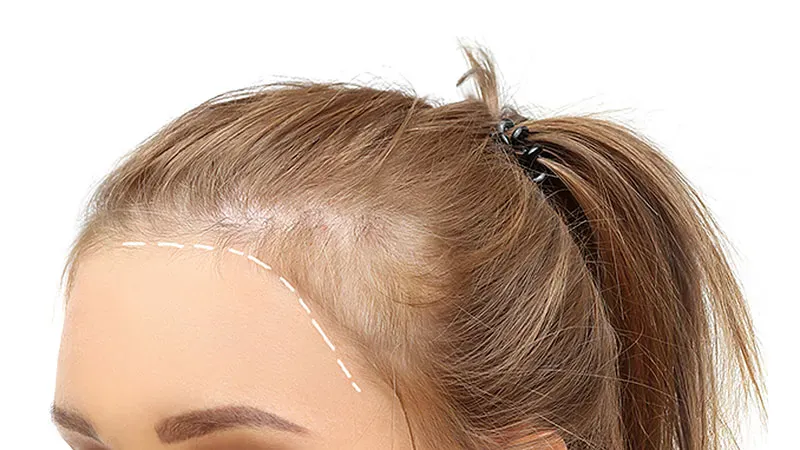
A new study finds that low-dose oral minoxidil and 5% topical minoxidil foam produce similar hair regrowth in women with female pattern hair loss — but oral treatment is far better at stopping the disease from getting worse. Only 2.8% of women on oral minoxidil saw progression, compared to 21.1% on the topical foam. For patients focused on long-term preservation, the pill may have a clear edge.
When it comes to treating female pattern hair loss, the pill might have the edge over the foam. A new retrospective study comparing low-dose oral minoxidil (LDOM) to 5% topical minoxidil foam (TMF) found that both treatments delivered similar hair regrowth — but oral minoxidil was significantly better at preventing disease progression.
The study followed 128 women at a single academic dermatology practice, with an average age of around 56. Researchers used standardized scalp photos and Sinclair scores to track outcomes over roughly 11–16 months, adjusting for factors like menopausal status and concurrent treatments.
By the Numbers:
Why it matters: For dermatologists and patients whose primary goal is halting long-term hair loss — not just regrowing what's been lost — low-dose oral minoxidil may offer a meaningful advantage over the topical alternative, reshaping how clinicians counsel women on treatment options.