Turn on cookies to sign in
Signing in saves your progress to your Curie account. We can only do that with cookies on — turn them on to continue.
Healthcare generates roughly 10% of U.S. greenhouse gas emissions — and dermatology clinics are part of the problem. A new study finds that tweaking supply chain habits, like switching to reusable linens and multi-dose vials, can meaningfully shrink a clinic's environmental footprint without compromising patient care.
Healthcare is a bigger climate culprit than many realize, accounting for roughly 10% of U.S. greenhouse gas emissions annually — and up to 80% of that comes from supply chains. A new study published in the International Journal of Dermatology zeroed in on procurement practices at one academic and one private dermatology clinic in the Mid-Atlantic region, revealing that small policy shifts can make a real difference.
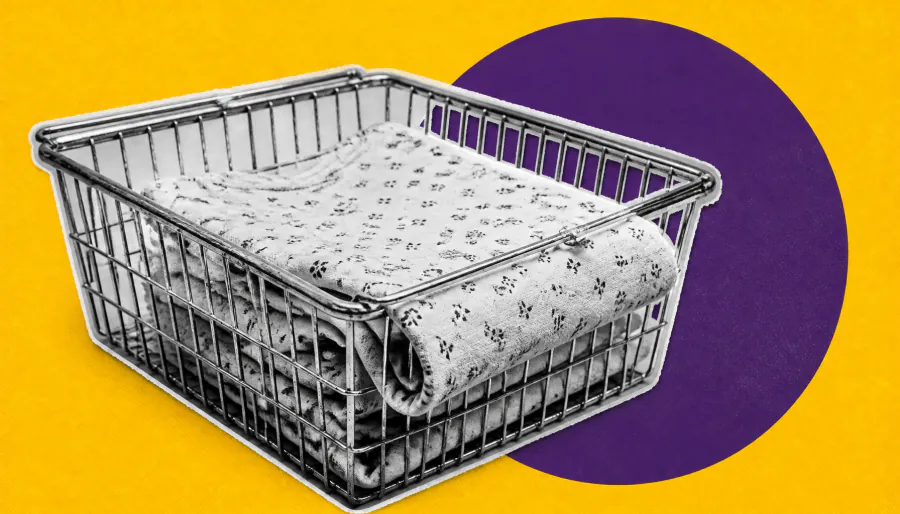
The two clinics showed notably different restocking patterns: the academic practice purchased far more pharmaceuticals (about 75,000 mL/year vs. 17,000 mL in the private practice), while the private clinic restocked linens at 40 times the rate of the academic clinic. Researchers traced these gaps back to specific clinic policies — suggesting that targeted changes, not sweeping overhauls, are the key to greener practice.
Key Takeaways:
Why it matters: Climate change is already worsening skin diseases, disproportionately affecting vulnerable patients. By rethinking what they buy and how often, dermatology practices — at any size — can reduce their contribution to the very problem harming their patients.