Turn on cookies to sign in
Signing in saves your progress to your Curie account. We can only do that with cookies on — turn them on to continue.
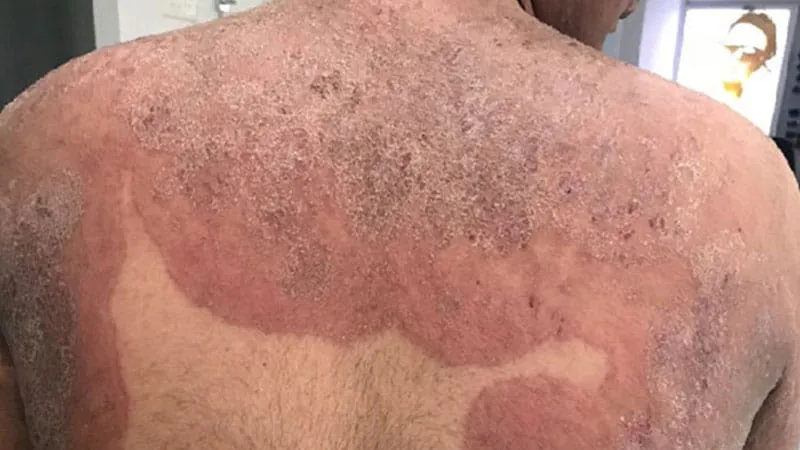
Antifungal resistance is on the rise, and dermatologists are sounding the alarm. Overuse of antifungals, misuse of steroid-antifungal combo creams, and a lack of new drug development are fueling the crisis. A highly resistant strain, Trichophyton indotineae, is now spreading globally and failing to respond to first-line treatments in the majority of cases.
Antifungal resistance is quietly becoming a full-blown crisis, and dermatologists are urging their peers to take notice. At a recent California dermatology symposium, UCLA's Dr. Iris Ahronowitz called it "the elephant in the room," pointing to a perfect storm of contributing factors: clinicians over-prescribing antifungals for unconfirmed fungal rashes, widespread agricultural use of antifungals in the environment, genetic mutations in fungal organisms, and a near-total drought in new antifungal drug development.
A particularly worrying player is Trichophyton indotineae, a highly transmissible strain resistant to terbinafine — the current first-line oral treatment — in about 75% of isolates. First identified in India, it's now spreading globally, including documented cases in New York City. Misuse of steroid-antifungal combination creams is also making things worse by masking symptoms while allowing fungi to persist and develop resistance.
By the Numbers
Why it matters: With only four major antifungal drug targets and few new agents in the pipeline, resistance leaves clinicians with shrinking options. Experts urge mycologic confirmation before treatment, culture-based speciation, and reporting of non-responders to public health authorities.