Turn on cookies to sign in
Signing in saves your progress to your Curie account. We can only do that with cookies on — turn them on to continue.
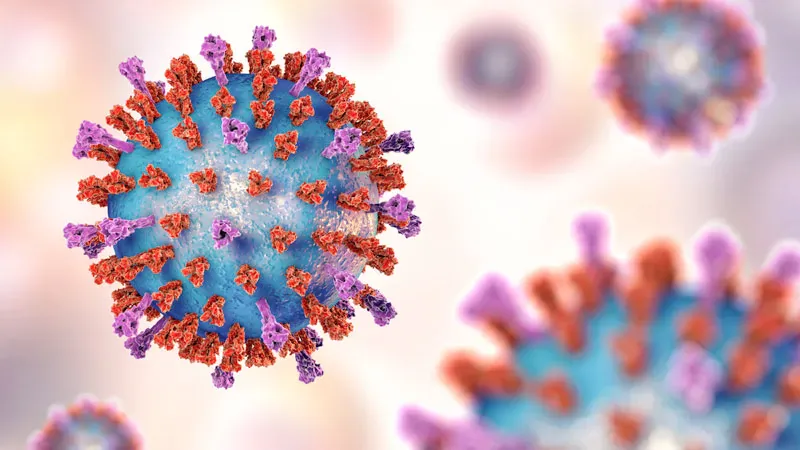
Two approaches to protecting newborns from RSV — a vaccine given to pregnant mothers or a monoclonal antibody given to infants — offer nearly identical protection, a large new study finds. Both cut RSV infections by more than 65% and hospitalizations by more than 70% compared to no protection. The findings support letting families and physicians choose based on preference or availability.
When it comes to shielding newborns from respiratory syncytial virus (RSV), parents and doctors now have solid evidence that two very different strategies work about the same. A large retrospective cohort study of nearly 19,000 full-term infants found that maternal RSV prefusion F (preF) vaccination during pregnancy and nirsevimab — a monoclonal antibody given to infants shortly after birth — provided comparable protection against RSV infection and hospitalization.
The study, published in JAMA Network Open, followed infants born at Kaiser Permanente Northern California across two RSV seasons. Researchers compared outcomes among infants protected by maternal vaccination, those who received nirsevimab, and unprotected infants — finding no statistically significant difference between the two active interventions.
By the Numbers:
Why it matters: RSV is a leading cause of infant hospitalization, and this study gives clinicians and families the confidence to choose whichever protection method is most accessible or preferred — without worrying that one option leaves babies significantly more vulnerable than the other.