Curie Brief
Turn on cookies to sign in
Signing in saves your progress to your Curie account. We can only do that with cookies on — turn them on to continue.
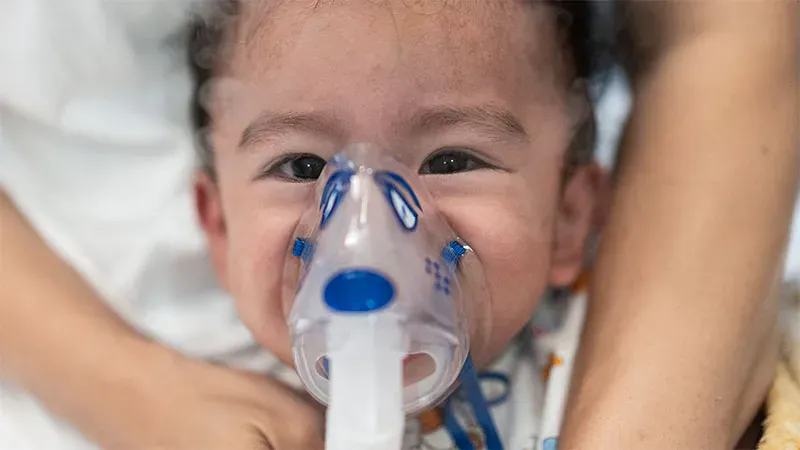
Finland's nationwide nirsevimab immunisation programme didn't just cut RSV infections in infants — it also slashed ear infection rates. A new real-world study found a 44% drop in acute otitis media among babies under 12 months after the programme launched, with the youngest infants (0–2 months) seeing the biggest benefit. It's a notable added benefit from a treatment already doing heavy lifting against RSV.
Finland rolled out universal nirsevimab immunisation for the 2024–2025 RSV season, giving doses to newborns at maternity hospitals and to infants under 3 months at the start of the season. A new nationwide study tracking nearly 182,000 infants across four RSV seasons found that the programme delivered benefits well beyond just preventing RSV — it also significantly reduced acute otitis media (AOM), the most common ear infection in young children.
The findings, published in the European Journal of Pediatrics, show that AOM incidence dropped 44% overall after nirsevimab implementation, while lab-confirmed RSV detections fell by a striking 83%. The youngest infants reaped the greatest rewards, likely because they had the highest nirsevimab coverage.
By the Numbers:
Why it matters: RSV is a leading driver of ear infections in infants, so blocking RSV would also reduce AOM — and this real-world data puts hard numbers on that connection. For clinicians and policymakers, it reinforces the case for broad infant nirsevimab programmes, with benefits extending beyond respiratory illness to one of the most common reasons parents bring babies to the doctor.