Curie Brief
Turn on cookies to sign in
Signing in saves your progress to your Curie account. We can only do that with cookies on — turn them on to continue.
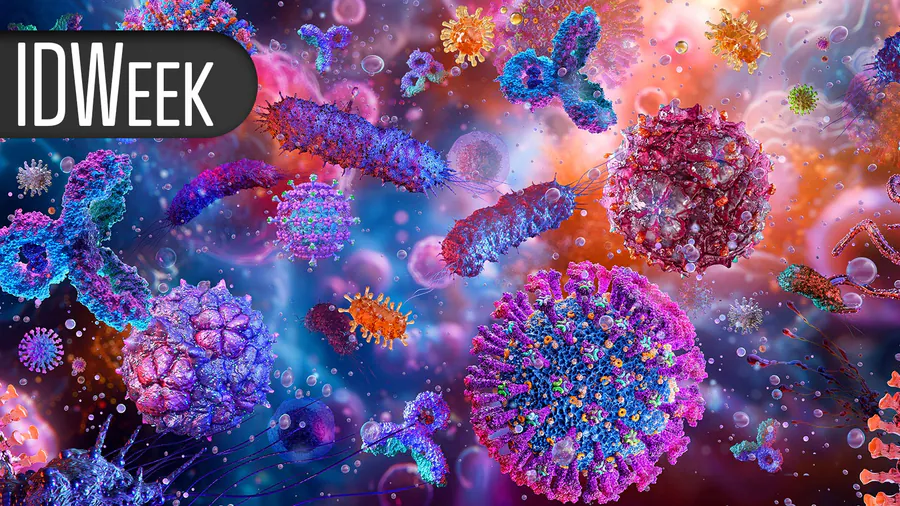
Real-world data confirm nirsevimab (Beyfortus) is 75% effective at preventing RSV-related hospitalizations in high-risk children during their second RSV season. The CDC-led case-control study, presented at IDWeek, found RSV positivity was significantly lower among immunized kids (20% vs. 42%). The findings support continued use of the long-acting monoclonal antibody in vulnerable pediatric populations.
Good news for RSV season: A new CDC-led real-world study confirms that nirsevimab (Beyfortus) remains highly effective at keeping high-risk children out of the hospital during their second RSV season. The case-control study, presented at IDWeek, drew on data from 26 hospitals across 24 U.S. states over two RSV seasons (November 2024–March 2026), covering 231 eligible children aged 8–23 months.
The study found that RSV positivity was nearly half as common among immunized children compared to unimmunized controls (20% vs. 42%). Effectiveness was even higher — 86% — when nirsevimab was given within 60 days before symptom onset, dropping to 66% for earlier administration.
By the Numbers:
Why it matters: These findings are especially timely as the American Academy of Pediatrics recently expanded second-season nirsevimab eligibility to include four new groups — preterm infants, those with congenital heart disease, pulmonary or neuromuscular disorders, and Down syndrome — significantly broadening the population of children who could benefit.