Turn on cookies to sign in
Signing in saves your progress to your Curie account. We can only do that with cookies on — turn them on to continue.

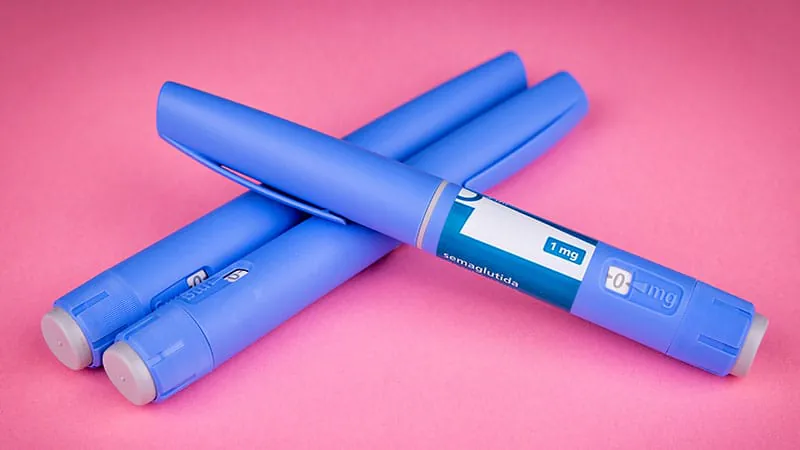
A new JAMA study reveals that compounded GLP-1 medications like semaglutide and tirzepatide are frequently mixed with vitamin B12 analogs and other additives that lack clinical evidence. Nearly all prescriptions were cash-pay and dispensed by out-of-state pharmacies, placing them outside standard surveillance. Experts warn clinicians can't assume patients are receiving FDA-approved formulations.
A new study published in JAMA has pulled back the curtain on the booming compounded GLP-1 market, revealing that most compounded semaglutide and tirzepatide prescriptions are being mixed with additives like vitamin B12 analogs and levocarnitine — ingredients marketed for energy or nausea relief but with little clinical evidence to back them up. Using Nebraska's uniquely comprehensive prescription drug monitoring program (the only one in the US to capture all dispensed prescriptions, including compounded products), researchers tracked over 13,900 compounded weight-loss prescriptions from 2018 to 2026.
The findings paint a picture of a largely unregulated gray market: nearly all prescriptions were cash-pay, all compounded GLP-1s came from out-of-state pharmacies, and three pharmacies in Florida and Texas filled nearly 70% of them. Experts stress that these products undergo no premarket testing and have no mandatory adverse-event reporting — meaning their composition, stability, and safety are essentially unknown.
By the Numbers:
Why it matters: Clinicians should proactively ask patients whether they're taking compounded GLP-1s, how they're obtaining them, and why — since these formulations vary widely by pharmacy and fall almost entirely outside insurance and safety monitoring systems. Any adverse events should be reported to FDA MedWatch, currently the only surveillance tool available.