Turn on cookies to sign in
Signing in saves your progress to your Curie account. We can only do that with cookies on — turn them on to continue.
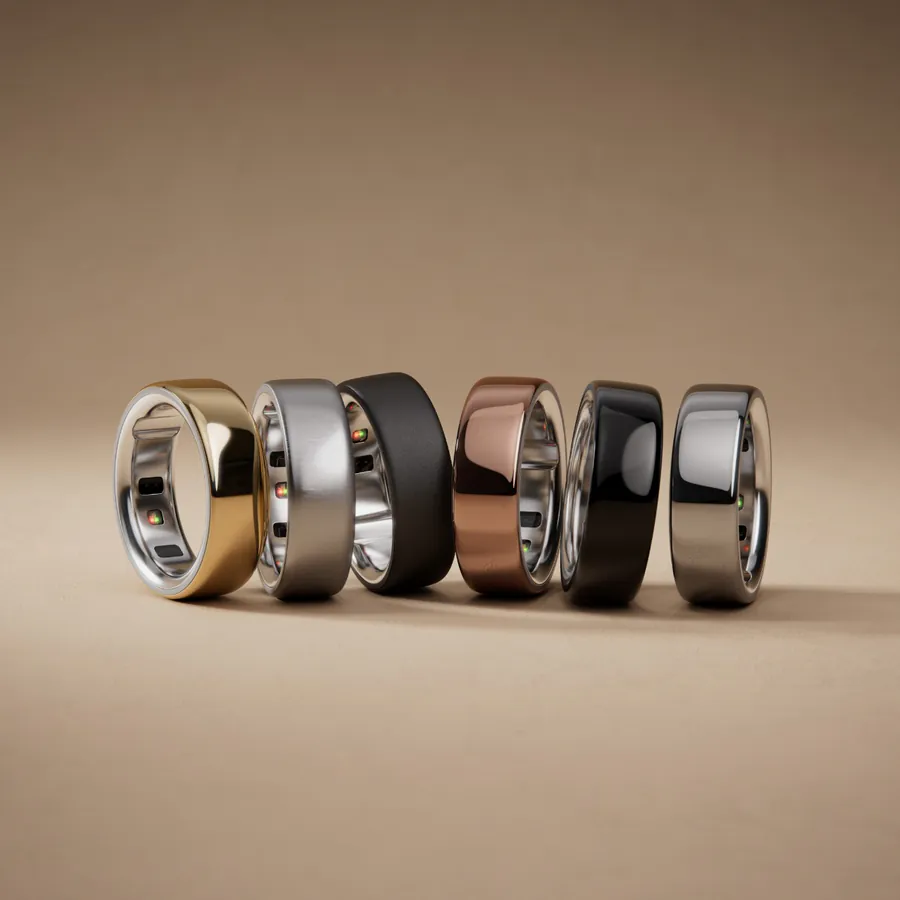
Can a smart ring tell us how well obesity treatments are working? Oura and UC San Diego Health are teaming up on a multi-year clinical trial — called SMART-BMI — to find out. The study will track continuous biometric data from the Oura Ring to see how it correlates with outcomes in patients on GLP-1 medications or undergoing bariatric surgery.
Can your ring predict how well your obesity treatment is working?
Oura and UC San Diego Health are launching SMART-BMI, a multi-year clinical trial that will use continuous data from the Oura Ring — including sleep, heart rate, and activity — to study outcomes in patients receiving GLP-1 medications or bariatric surgery. The goal: determine whether real-time physiological signals captured between clinic visits can reveal how well patients are responding to obesity treatment.
The study is part of a broader clinical push by Oura, coordinated through its newly established Office of Regulatory and Clinical Affairs (ORCA), led by Chief Medical Officer Ricky Bloomfield, M.D. Oura is also running parallel studies with Maven Clinic on fertility and pregnancy outcomes, and with Johns Hopkins on rehospitalization risk after acute kidney injury.
Key Takeaways:
Why it matters: As GLP-1 drugs reshape obesity treatment, tools that monitor patient response in real time — not just at quarterly check-ins — could meaningfully improve care decisions and long-term outcomes.