Curie Brief
Turn on cookies to sign in
Signing in saves your progress to your Curie account. We can only do that with cookies on — turn them on to continue.
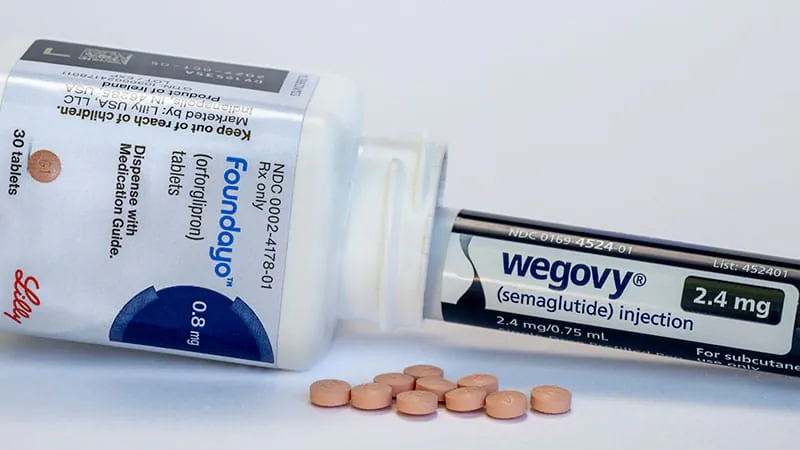
Think you know what's in your GLP-1 shot? Think again. A new study found that nearly two-thirds of people actually using compounded semaglutide or tirzepatide believed they were taking a brand-name drug — a disconnect revealed only when researchers compared medication photos to self-reports. The findings raise serious concerns about the reliability of self-reported GLP-1 use in research and clinical settings.
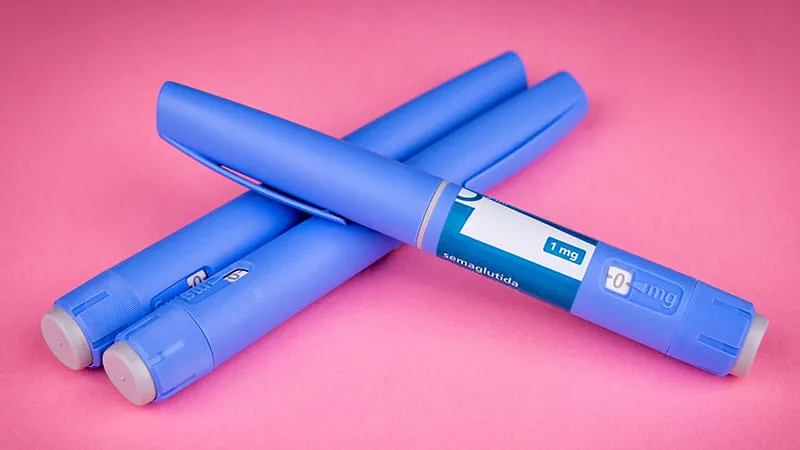
A new study suggests many GLP-1 users don't actually know what they're taking. Researchers at the University of Michigan recruited 322 adults who reported at least three months of weekly semaglutide or tirzepatide use, then compared their self-reported medication type against photos of the actual drugs. The results were striking: self-reports and photos agreed only about 83% of the time — and nearly all the mismatches involved compounded medication users who believed they were on a brand-name product.
The study also found that compounded GLP-1 products made up over a quarter of the sample, even after drug shortages had been resolved — underscoring how widely accessible these products remain through telehealth platforms and medical spas outside traditional health systems.
By the Numbers:
Why it matters: When patients can't accurately identify their own medication, it muddies clinical research, skews drug safety data, and raises real questions about informed consent. For clinicians, this is a reminder that asking patients what they're taking may not be enough — especially in the booming, loosely regulated world of compounded GLP-1s.