Turn on cookies to sign in
Signing in saves your progress to your Curie account. We can only do that with cookies on — turn them on to continue.
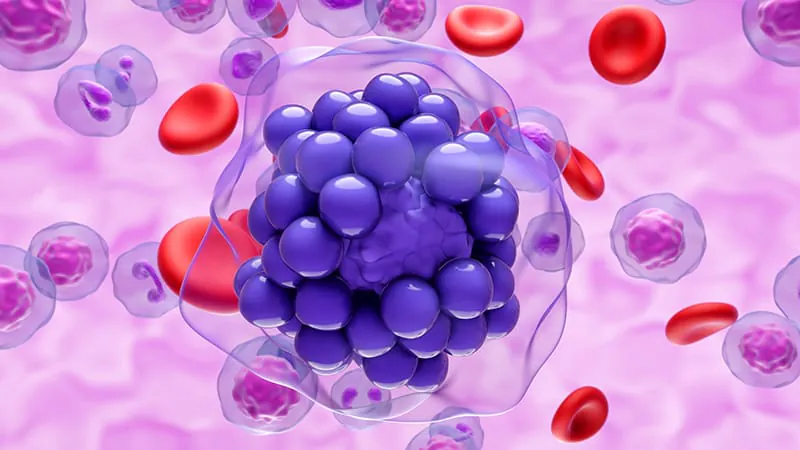
A phase 2 trial of loncastuximab tesirine plus rituximab in older, frail patients with untreated DLBCL showed meaningful response rates but alarming toxicity — nearly 27% of patients died from adverse events, many lung-related. The trial was terminated early due to safety concerns. Researchers say the results don't support routine use of this combo as frontline therapy, and call for larger randomized trials.
A phase 2 trial (LOTIS-9) tested the antibody-drug conjugate loncastuximab tesirine paired with rituximab in 41 older, unfit or frail patients with previously untreated diffuse large B-cell lymphoma (DLBCL) — a group for whom no standard frontline therapy currently exists. The combination produced notable response rates: complete responses in 52.9% of unfit patients and 41.7% of frail patients, with overall response rates of 94.1% and 66.7%, respectively.
But the safety picture was troubling. Three-quarters of patients experienced grade 3 or higher adverse events, and 26.8% died from treatment-related causes — most of them lung-related, including respiratory failure, pneumonia, and aspiration. Four of those deaths followed COVID-19 infection. The trial was paused and ultimately terminated early due to these respiratory concerns.
Key Takeaways:
Why it matters: With no established standard of care for elderly, frail DLBCL patients who can't tolerate standard chemotherapy, finding a safe and effective frontline option is critical. While the response rates here are encouraging, the high mortality rate signals that this regimen — at least in its current form — isn't ready for routine use in this vulnerable population.