Curie Brief
Turn on cookies to sign in
Signing in saves your progress to your Curie account. We can only do that with cookies on — turn them on to continue.
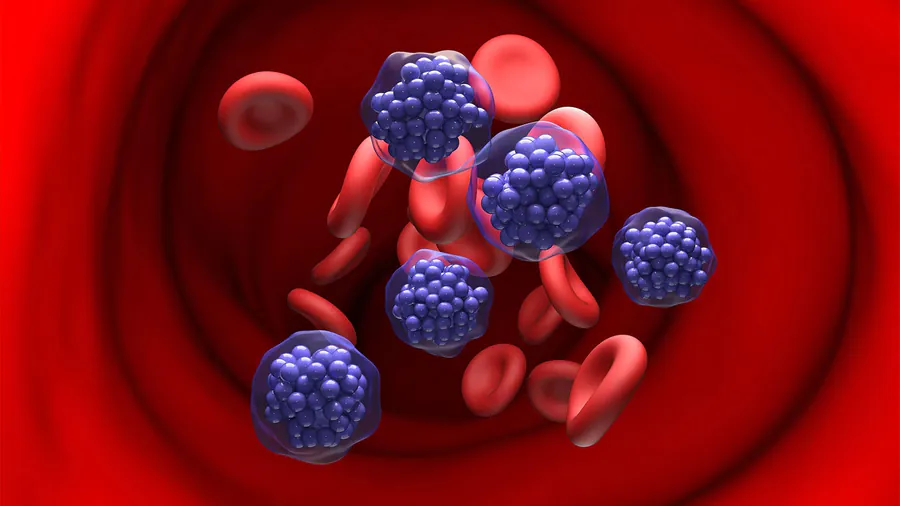
Treating older, frail patients with diffuse large B-cell lymphoma (DLBCL) just got more promising. Bispecific antibodies — both alone and in combination — are delivering impressive response rates in patients aged 80 and older who can't tolerate standard chemotherapy. Experts say these results are moving beyond palliative care into potentially curative territory, though infection risk remains a key challenge to solve.
For elderly and frail patients with diffuse large B-cell lymphoma (DLBCL), standard chemotherapy regimens like R-mini-CHOP have long been the go-to — but they come with serious drawbacks. About one in four patients can't complete the full six cycles due to infections and poor tolerance, and the reduced doses often yield suboptimal outcomes. Now, bispecific antibodies are emerging as a game-changing alternative for this vulnerable population.
Multiple phase II trials are showing striking results. A combination of rituximab, polatuzumab vedotin, and the bispecific antibody glofitamab achieved overall response rates of 90–96% in patients with a median age of 80, with 1-year progression-free and overall survival rates of 85% and 90%, respectively. Another regimen — epcoritamab plus attenuated chemotherapy — hit an 86% complete response rate and a 94.7% 1-year PFS. Even bispecific monotherapy with epcoritamab or mosunetuzumab showed response rates above 70% in patients with significant comorbidities.
By the Numbers
Why it matters: These findings could fundamentally shift how oncologists approach DLBCL in the fastest-growing patient demographic. The remaining hurdle — infection risk from B-cell suppression, particularly viral infections like COVID-19 — is the next frontier to tackle before bispecifics can be considered truly safe for the frailest patients.