Turn on cookies to sign in
Signing in saves your progress to your Curie account. We can only do that with cookies on — turn them on to continue.
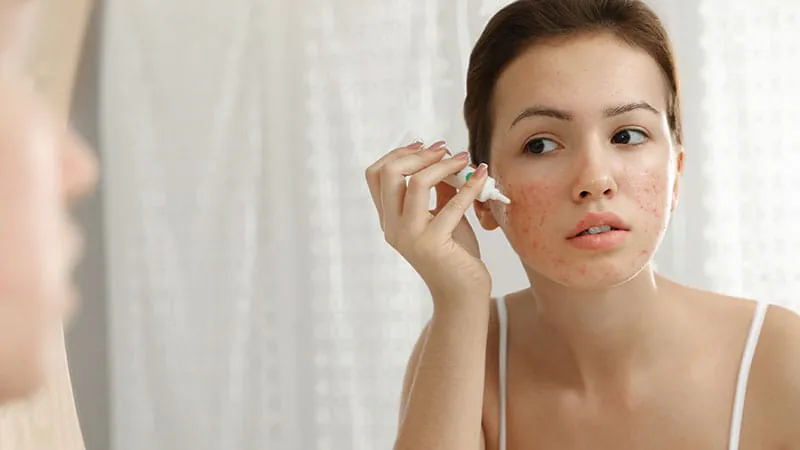
Utah is becoming a testing ground for AI-powered acne prescribing, with telehealth app Nolla Health rolling out autonomous AI prescriptions after an initial physician review phase. Dermatologists are raising concerns over safety, oversight, and whether the platform actually solves the access problem it claims to address. The app limits prescriptions to five topical medications at $4.99/month.
Utah is the latest frontier for AI-driven healthcare, with telehealth startup Nolla Health launching an app that uses AI to diagnose acne and prescribe topical treatments — no dermatologist visit required. The state has granted the company regulatory leeway as part of a staged pilot: a physician reviews the first 100 prescriptions, then the AI prescribes autonomously for the next 500 with only retroactive weekly review, and eventually just 10% of prescriptions are checked monthly. The company argues this will ease access in a state where patients wait an average of 61 days to see a dermatologist and 11 rural counties have none at all.
But dermatologists aren't convinced. Experts from Harvard, UNC, and Northwestern question whether the platform offers anything truly novel, whether it will actually improve access (many topical acne treatments are already available OTC), and whether reducing physician oversight creates unacceptable safety risks. The American Academy of Dermatology warned that autonomous AI prescribing increases the risk that reviewers will defer to AI output rather than apply independent clinical judgment.
Key Takeaways:
Why it matters: This Utah pilot is a bellwether for how AI prescribing could reshape — or disrupt — dermatology care nationwide. The tension between expanding access and maintaining clinical oversight will define how regulators, physicians, and patients navigate AI's growing role in medicine.