Turn on cookies to sign in
Signing in saves your progress to your Curie account. We can only do that with cookies on — turn them on to continue.
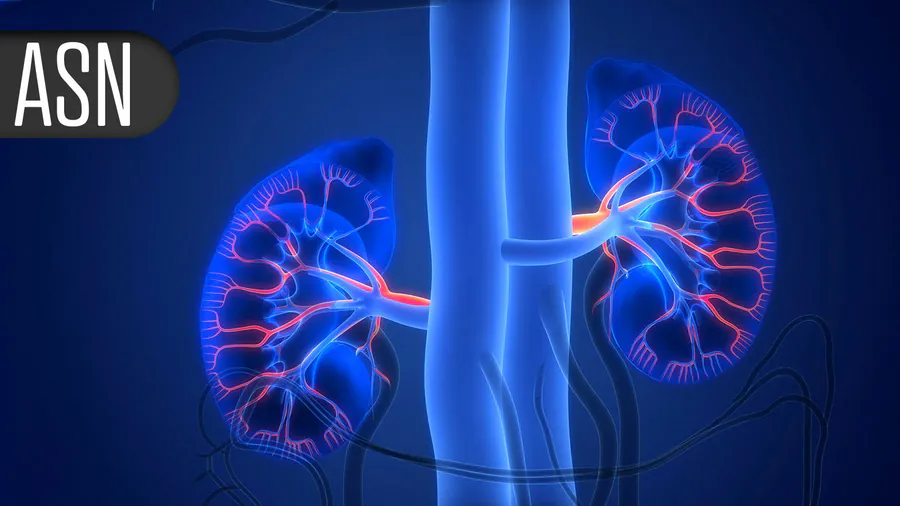
Strict protein restriction in chronic kidney disease may do more harm than good. A large South Korean study found that CKD patients eating less than 0.6 g/kg of protein daily had a 42% higher risk of kidney failure and more than double the risk of death compared to those eating the most protein. The findings support recent guideline shifts toward more moderate protein intake.
For decades, nephrologists have told chronic kidney disease (CKD) patients to cut back on protein to reduce kidney workload. But a new large-scale study is pushing back on the strictest versions of that advice. Researchers following nearly 1,900 Korean CKD patients for over nine years found that those eating less than 0.6 g/kg of protein per day fared significantly worse than those eating more.
The findings, published in JAMA Network Open and presented at the American Society of Nephrology Kidney Week, suggest that the risks of severe protein restriction may outweigh its benefits — and align with 2024 KDIGO guideline updates that now recommend around 0.8 g/kg per day for CKD stages 3–5.
By the Numbers:
Why it matters: Protein-energy wasting — a real danger when protein intake drops too low — can trigger muscle breakdown, toxic metabolite buildup, and accelerated kidney damage. This study gives clinicians strong longitudinal evidence to move away from overly restrictive protein targets and focus on preserving patients' nutritional health alongside kidney function.