Turn on cookies to sign in
Signing in saves your progress to your Curie account. We can only do that with cookies on — turn them on to continue.
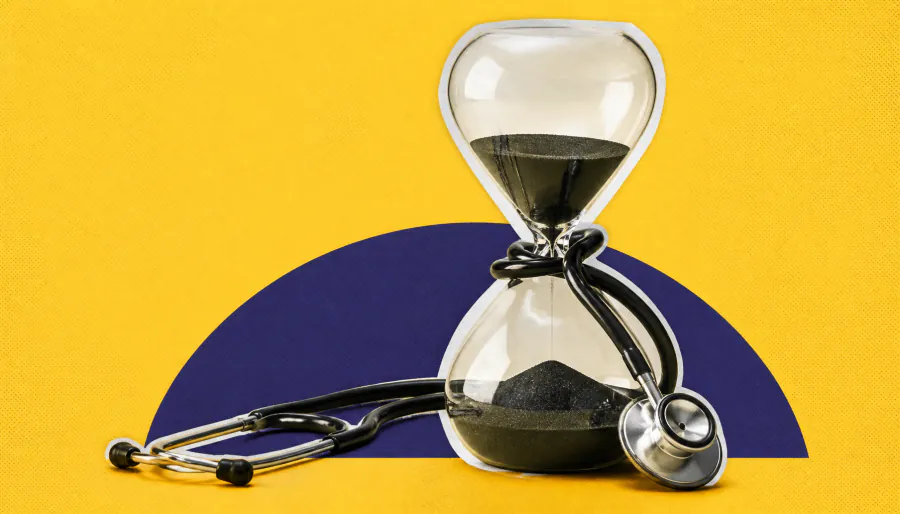
Predicting decline, not just death: A palliative care expert says a patient's personal rate of functional decline is the single best prognostic indicator available to clinicians. Alongside tools like the Palliative Performance Scale and ECOG status, tracking how quickly a patient deteriorates relative to their own baseline can guide decisions on everything from medications to hospice care.
Predicting decline, not just death
Prognosis is about more than estimating a timeline — it shapes everyday clinical decisions, from whether to continue medications to recommending surgery, dialysis, or hospice care. Speaking at OMED in Las Vegas, palliative care physician Dr. Leonard Hock emphasized that clinicians often struggle with prognostication because of an inherent optimism bias, which can erode patient and family trust when expectations don't match reality.
Dr. Hock highlighted that a patient's personal rate of decline — how quickly their health and function deteriorate compared to their own previous baseline — is the strongest prognostic indicator available. Combined with structured tools and honest conversations, it can meaningfully improve care planning.
Key Takeaways:
Why it matters: Accurate prognosis empowers patients and families to make informed, values-aligned care decisions — and helps clinicians avoid over- or under-treating at the end of life.