Turn on cookies to sign in
Signing in saves your progress to your Curie account. We can only do that with cookies on — turn them on to continue.
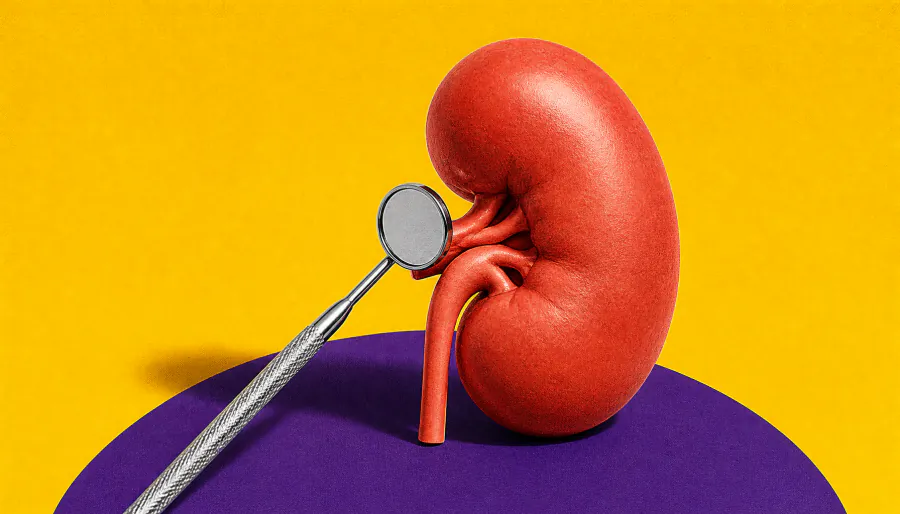
Most kidney disease patients aren't being sent to the dentist, even though oral and kidney health are closely linked. A new survey found 80% of nephrologists don't routinely refer CKD or ESKD patients for dental care — but over two-thirds are open to a pilot program to fix that. The biggest hurdles? Cost, limited insurance, and too few dentists comfortable treating complex kidney patients.
Despite growing evidence of a bidirectional link between oral and kidney health — tied to systemic inflammation, endothelial dysfunction, and immune dysregulation — most kidney disease patients aren't making it to the dentist. A survey of 205 nephrology professionals, presented at ASN Kidney Week, found that 80% don't routinely refer patients with chronic kidney disease (CKD) or end-stage kidney disease (ESKD) for dental evaluations.
When referrals do happen, they're largely reactive — triggered by transplant clearance requirements (78.5%) or patient-reported complaints (67.8%). Respondents described current collaboration with dental professionals as "poor" or "very poor," with minimal cross-team communication. The culprits? Structural barriers, not indifference.
By the Numbers:
Why it matters: Oral health is often an overlooked piece of kidney disease management, yet the two are biologically intertwined. With most nephrologists open to a structured pilot program — one that includes standardized referral pathways and cross-training — there's a real opportunity to close this care gap and improve outcomes for one of medicine's most complex patient populations.