Turn on cookies to sign in
Signing in saves your progress to your Curie account. We can only do that with cookies on — turn them on to continue.
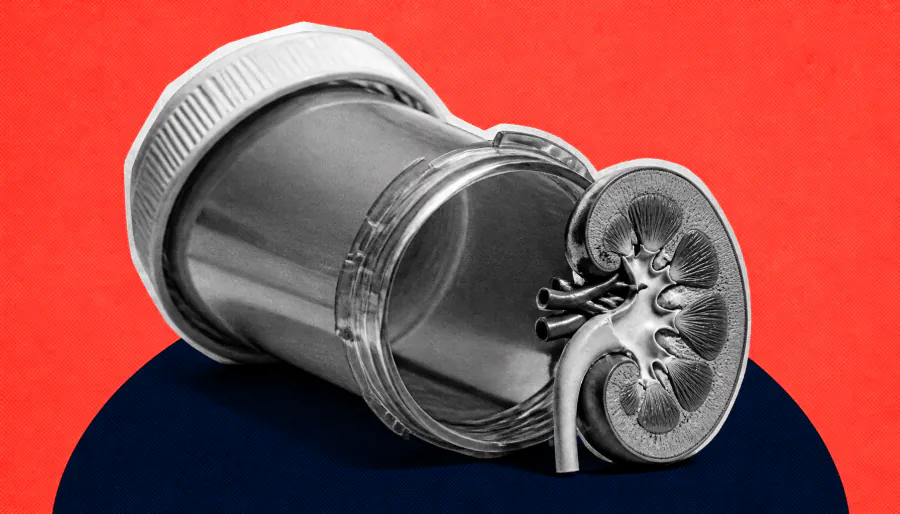
A deadly overlap between kidney disease and addiction is growing fast. U.S. deaths from renal failure with substance use disorder as a contributing cause skyrocketed from 186 in 1999 to 2,615 in 2024 — a 14-fold increase. The trend is hitting older adults hardest and is spreading well beyond the younger populations typically associated with substance-related harm.
A deadly overlap between kidney disease and addiction is growing fast. New data presented at ASN Kidney Week reveal that U.S. deaths from renal failure with substance use disorder listed as a contributing cause surged 14-fold between 1999 and 2024 — rising from just 186 deaths to 2,615, with a peak of 2,875 in 2022. Researchers analyzed CDC WONDER mortality data and found an average annual increase of 11.34% over the study period.
Contrary to assumptions that substance-related harm primarily affects younger people, the largest absolute increases were seen in adults aged 55–84, while those 85 and older saw the fastest relative rise. Men accounted for nearly two-thirds of deaths, though women's deaths grew at a slightly faster annual rate. Regionally, the Midwest saw the steepest climb, and home deaths rose sharply — up 15.37% annually.
By the Numbers
Why it matters: Substance use disorders can damage kidneys through multiple pathways — reduced blood flow, rhabdomyolysis, severe hypertension, and toxic effects — while also disrupting access to consistent kidney care. These findings signal an urgent need to integrate substance use disorder screening and treatment into nephrology practice.