Curie Brief
Turn on cookies to sign in
Signing in saves your progress to your Curie account. We can only do that with cookies on — turn them on to continue.
A high polygenic risk score for coronary artery disease (CAD) significantly raises the odds of needing repeat heart procedures, even after successful revascularization. A study of nearly 12,000 UK Biobank participants found that high-risk patients faced 72% greater odds of repeat revascularization and 33% higher cardiovascular mortality risk. Researchers say the score could one day complement traditional risk factors to personalize post-procedure care.
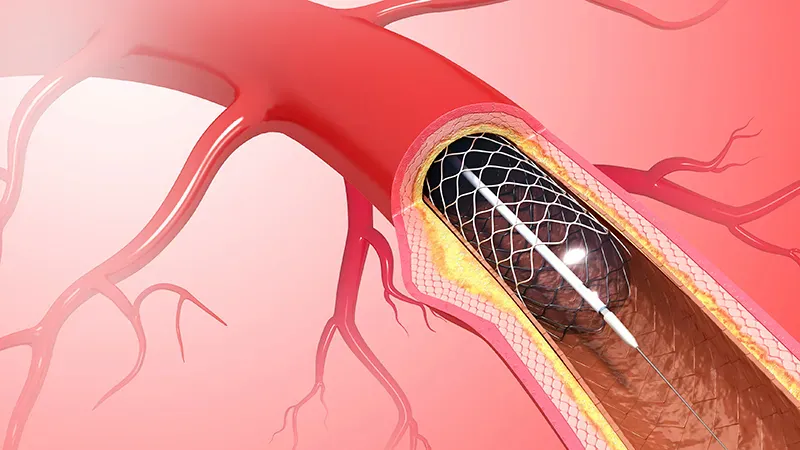
Even a successful coronary revascularization — whether via PCI or CABG — may not be the end of the road for patients with a high genetic risk for coronary artery disease (CAD). A new retrospective study published in the American Journal of Preventive Cardiology found that patients with a high CAD polygenic risk score (PRS) faced significantly elevated risks of repeat procedures and cardiovascular death compared to those with a low score.
The study analyzed nearly 12,000 UK Biobank participants who underwent coronary revascularization between 2006 and 2023, stratifying them into low (bottom 20%), medium (middle 60%), and high (top 20%) PRS groups. The findings were consistent across both PCI and CABG patients.
Why it matters: While the CAD polygenic risk score isn't ready to drive individual treatment decisions on its own, it holds real promise as a complementary tool for identifying patients who need more intensive monitoring or prevention strategies after revascularization — paving the way for more personalized cardiac care.