Curie Brief
Turn on cookies to sign in
Signing in saves your progress to your Curie account. We can only do that with cookies on — turn them on to continue.
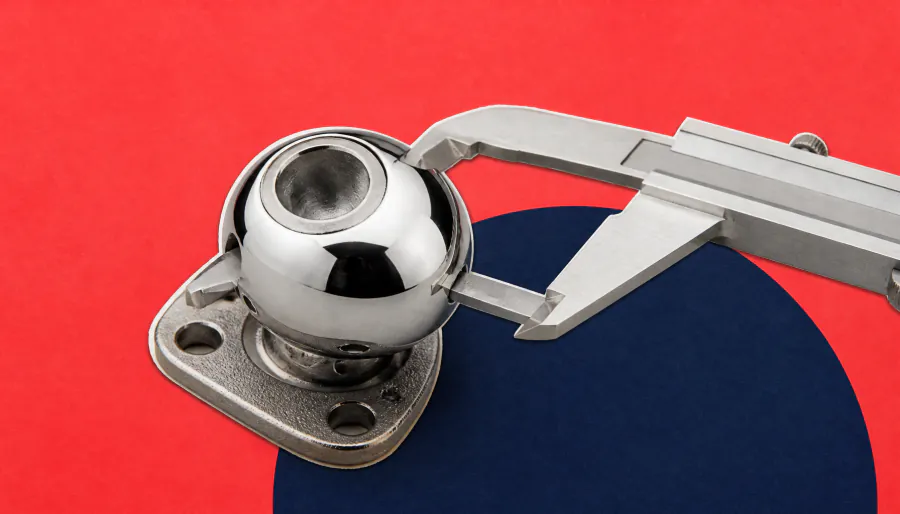
A large multicenter study using machine learning has identified key risk factors for dislocation after reverse shoulder arthroplasty (RSA). The strongest predictors were combined lateral offset of both implant components and a larger glenosphere size. Male sex, younger age, and skipping subscapularis repair also raised the risk.
A multicenter machine learning analysis of more than 6,600 reverse shoulder arthroplasty (RSA) cases has shed new light on what puts patients at risk for post-surgical dislocation — one of the procedure's most serious complications. Researchers from 15 U.S. institutions found an overall dislocation rate of 2.1%, but certain patient and implant characteristics pushed that risk significantly higher.
The biggest red flags? A combined lateral offset of both the glenoid and humeral components exceeding 10 mm, and the use of a larger glenosphere. On the patient side, being male, younger, or not having a subscapularis repair all increased dislocation risk, while a diagnosis of osteoarthritis appeared to be protective.
By the Numbers:
Why it matters: These findings could reshape how surgeons plan RSA procedures — from implant selection to soft tissue management. The researchers hope predictive models will eventually allow surgeons to optimize implant configurations before the first incision, reducing the need for costly and complex intraoperative corrections.