Curie Brief
Turn on cookies to sign in
Signing in saves your progress to your Curie account. We can only do that with cookies on — turn them on to continue.
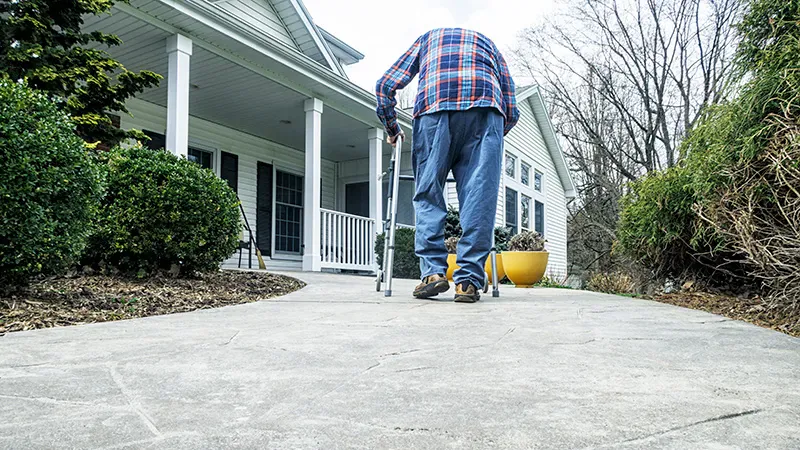
Losing your appetite could be an early warning sign of losing your ability to walk. A new study found that older adults with impaired appetite had a 44% higher risk of developing persistent mobility limitations — and that risk held even after accounting for inflammation. Researchers say appetite screening could open a critical window for early intervention.
A new study published in the Journal of the American Geriatrics Society suggests that poor appetite in older adults isn't just a nutrition concern — it may be an early red flag for losing the ability to walk or climb stairs. Researchers tracked over 3,000 adults aged 70–79 for nearly six years and found that those with impaired appetite were significantly more likely to develop persistent lower extremity limitations, independent of inflammatory markers.
What makes this finding stand out: appetite impairment predicted mobility loss on top of elevated inflammation levels. Participants with both poor appetite and high levels of all three inflammatory markers (IL-6, TNF-alpha, and C-reactive protein) lost mobility the fastest.
By the Numbers:
Why it matters: Appetite is easy to assess and often overlooked in routine geriatric care. This research suggests it could serve as a simple, early screening tool — giving clinicians a critical window to intervene before mobility problems become permanent.