Curie Brief
Turn on cookies to sign in
Signing in saves your progress to your Curie account. We can only do that with cookies on — turn them on to continue.
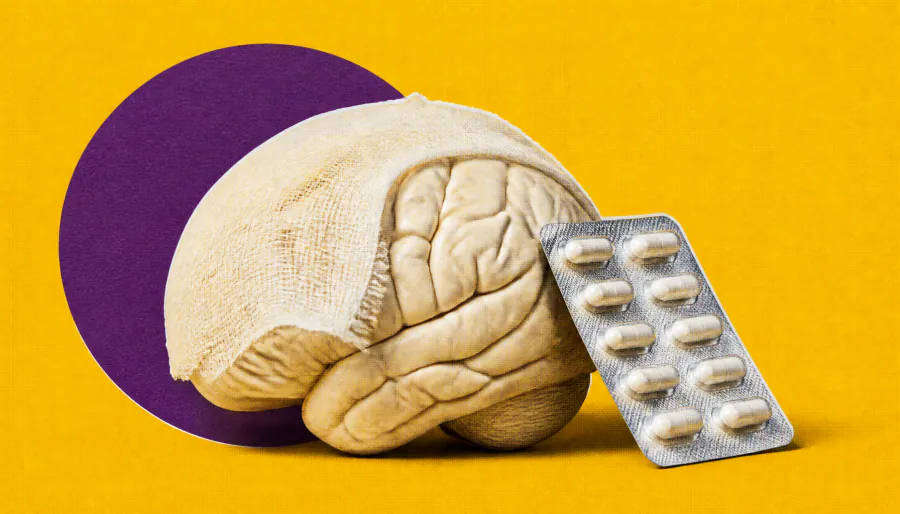
A new scoping review suggests ADHD medications like lisdexamfetamine and atomoxetine may help ease the brain fog many women experience during perimenopause. The drugs improved self-reported executive function in women aged 45–60, though researchers caution it's too early to formally recommend them. A simple ADHD symptom screen, however, could be a helpful first step for affected women.
Up to 60% of perimenopausal women deal with "brain fog" — think trouble concentrating, forgetfulness, and difficulty staying organized. A new scoping review presented at The Menopause Society's annual meeting suggests ADHD medications might offer some relief. The likely culprit behind the fog is a significant drop in estrogen, which disrupts catecholaminergic signaling in the brain's prefrontal cortex — the same pathway targeted by ADHD drugs.
Researchers reviewed five studies examining the effects of lisdexamfetamine (Vyvanse) and atomoxetine (Strattera) in biological women aged 45–60. Both drugs meaningfully reduced ADHD symptom severity scores compared to placebo, and neuroimaging data showed lisdexamfetamine activated key brain regions involved in working memory. That said, the medications had little to no significant impact on objective cognitive measures like processing speed and delayed recall.
By the Numbers:
Why it matters: Brain fog during menopause can disrupt work and daily life, causing real stress and anxiety. While it's too soon to prescribe ADHD medications specifically for this, researchers say a quick ADHD symptom screen could be a practical first step in helping women get the right care sooner.