Curie Brief
Turn on cookies to sign in
Signing in saves your progress to your Curie account. We can only do that with cookies on — turn them on to continue.
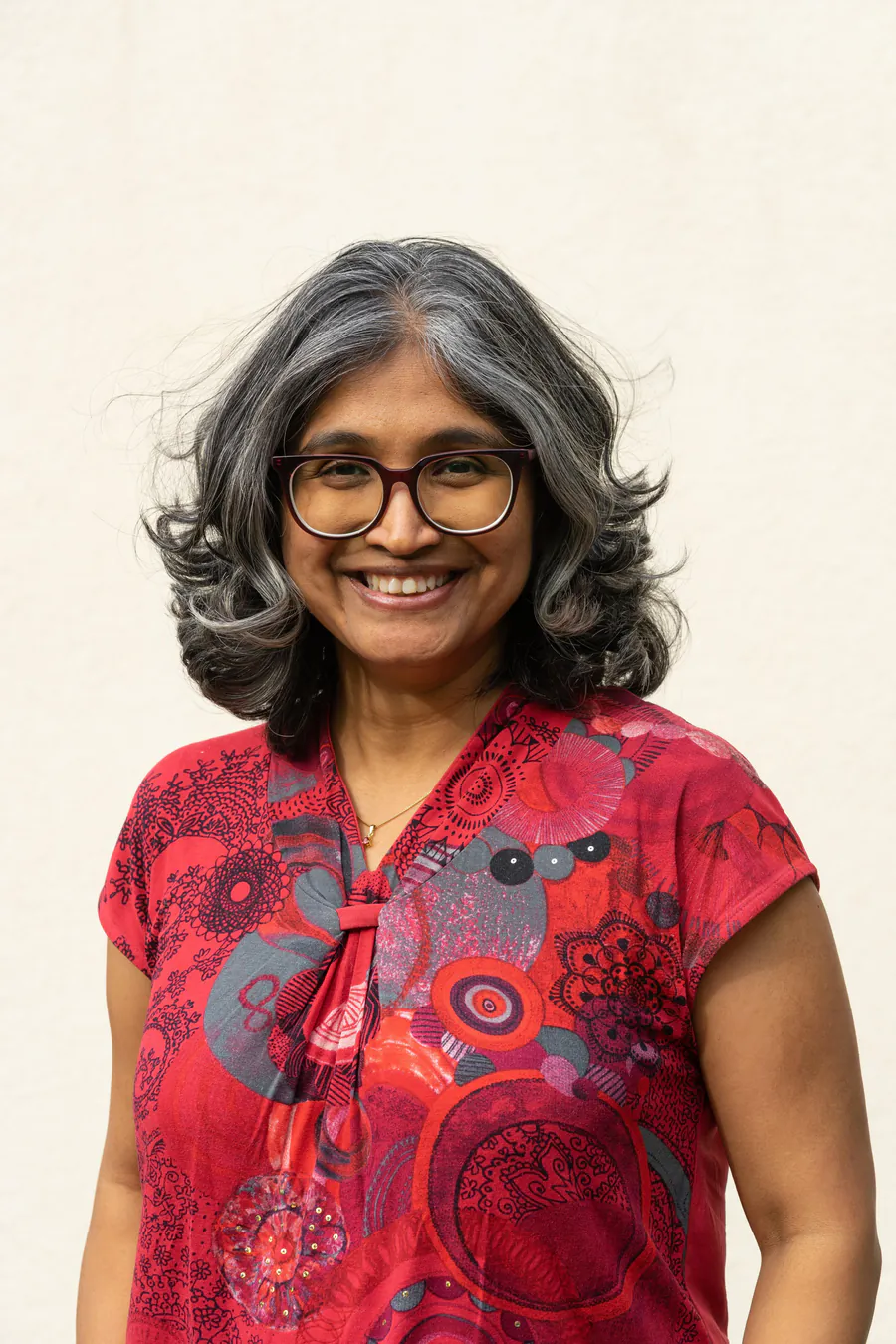
A physician who experienced menopause at 33 is calling for better research and global guidelines on early menopause. Despite recognizing her own symptoms at 26, it took years and multiple doctors before she received a diagnosis. She argues that stronger evidence and standardized protocols could transform care for millions of women worldwide.
Priya Satalkar-Götz, a physician and UN researcher, began experiencing hot flushes at 26 — a classic menopause symptom — but wasn't diagnosed until age 33. Along the way, her symptoms were repeatedly dismissed as stress or lifestyle-related, and she was prescribed oral contraceptives that didn't address the root cause. Her story highlights a systemic gap: most menopause research focuses on women reaching menopause around age 51, leaving those with early-onset menopause without adequate evidence-based guidance.
Satalkar-Götz argues that the medical community needs long-term, diverse research on early menopause — including who is most at risk, what interventions work, and what protective factors exist. She also calls for a global WHO guideline that would give clinicians a trusted, standardized foundation for care, reduce inconsistency across health systems, and help women advocate for themselves during consultations.
Key Takeaways:
Why it matters: When early menopause goes undiagnosed, women face years of unnecessary suffering and miss critical windows for managing long-term risks like bone loss and infertility. Better research and global standards could close this gap — benefiting not just patients, but families, workplaces, and healthcare systems.