Curie Brief
Turn on cookies to sign in
Signing in saves your progress to your Curie account. We can only do that with cookies on — turn them on to continue.
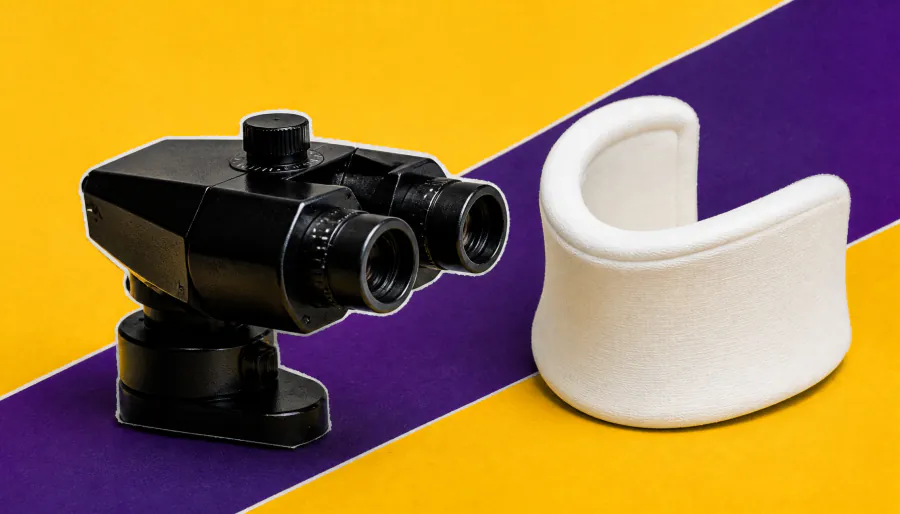
Musculoskeletal pain is a quiet epidemic among ophthalmologists, with nearly 63% affected by work-related disorders. From awkward slit lamp postures to marathon surgery days, the physical toll is real — but so are the solutions. Experts say the fix starts with awareness, better office setups, lifestyle changes, and — crucially — starting early.
Musculoskeletal pain is alarmingly common among ophthalmologists, driven by repetitive postures at the slit lamp, long surgery days, and a professional culture that prioritizes patient comfort over physician wellbeing. A 2025 literature review of more than 3,200 ophthalmologists found that the average prevalence of work-related musculoskeletal disorders was about 63%, with neck, lower back, and shoulder being the most affected areas.
Experts say the problem often starts with poor habits formed during training — craning the neck forward at the slit lamp, sitting too far from patients, and twisting to reach computers. Practical fixes exist: adjusting patient chair height, using foam elbow supports, redesigning office layouts, and adopting heads-up display technology in the OR to reduce the physical strain of being locked into a fixed position. Lifestyle interventions like yoga, strength training, massage, and stretching have also proven transformative for many physicians.
By the Numbers:
7% of ophthalmologists require spine surgery due to cervical disc herniation
Why it matters: Physician physical injury doesn't just affect doctors — it reduces the workforce available to patients. Addressing ergonomics early and systematically could extend careers, improve surgical outcomes, and ultimately benefit patient care.