Curie Brief
Turn on cookies to sign in
Signing in saves your progress to your Curie account. We can only do that with cookies on — turn them on to continue.
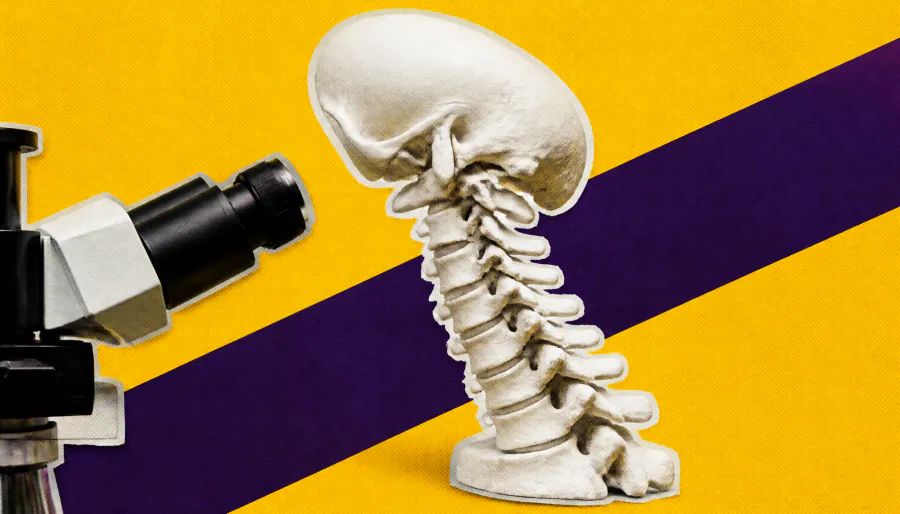
Musculoskeletal pain is an occupational hazard hiding in plain sight for ophthalmologists. A 2025 literature review found that about 63% of ophthalmologists experience work-related musculoskeletal disorders, with some requiring spine surgery or retiring early. Experts say simple changes — better office setups, supportive equipment, and lifestyle habits like yoga — can make a big difference, especially when started early in a career.
Hunching over a slit lamp or holding awkward positions during surgery may feel like just part of the job, but for many ophthalmologists, those habits add up to serious, career-threatening injuries. Experts say the culture of "powering through" pain — deeply ingrained in medical training — is a big part of the problem, with physicians routinely prioritizing patient comfort over their own physical wellbeing.
The good news? Practical fixes exist. Adjusting office layouts, repositioning patients, using foam elbow supports, and adopting heads-up display technology in the OR can meaningfully reduce strain. Lifestyle interventions like yoga, core strength training, and massage therapy have also helped physicians recover from and prevent musculoskeletal damage. Experts emphasize that ergonomic education should begin in residency — not after the damage is already done.
By the Numbers:
7% require spine surgery due to cervical disc herniation from occupational strain
Why it matters: With nearly two-thirds of ophthalmologists affected by work-related musculoskeletal disorders, this is a specialty-wide issue that threatens physician longevity and, ultimately, patient care. Early ergonomic training and simple workplace adjustments could keep more surgeons practicing longer.