Curie Brief
Turn on cookies to sign in
Signing in saves your progress to your Curie account. We can only do that with cookies on — turn them on to continue.
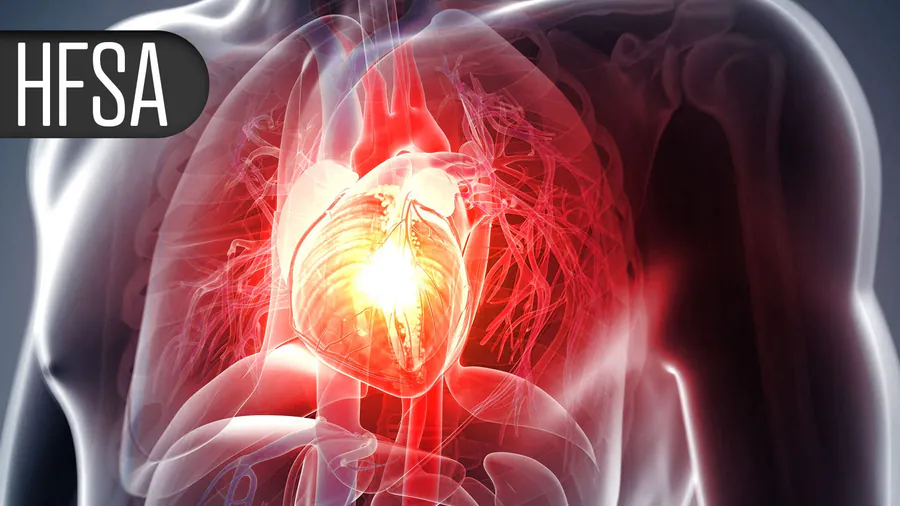
A novel implantable device that delivers tiny electrical currents to the heart is showing encouraging early results in heart failure patients — but experts urge caution. Updated analysis from the C-MIC II trial confirmed functional improvements, while a new subcutaneous version of the device proved feasible in a small first-in-human study. A larger sham-controlled trial, C-MIC IV, is now on the horizon to put the therapy to a more rigorous test.
A novel therapy that delivers low-level electrical currents to the heart — called cardiac microcurrent (C-MIC) therapy — is generating buzz in the heart failure world, with early data suggesting meaningful improvements in exercise capacity, heart function, and quality of life. At the Heart Failure Society of America (HFSA) annual meeting, updated analysis from the C-MIC II trial showed that benefits held up even when cardiopulmonary exercise test (CPET) results were re-evaluated by a blinded core lab, lending more credibility to the original findings.
A separate presentation introduced C-MIC III, a first-in-human study of a less invasive, subcutaneous version of the implant. Compared to the original surgical epicardial approach, the subcutaneous device showed comparable improvements in ejection fraction, walking distance, and quality of life — and was easier to implant and remove. Still, experts were quick to urge caution: sample sizes are tiny, the trials are open-label, and one infection was reported with the new device.
By the Numbers:
Why it matters: C-MIC therapy targets a largely unmet need — refractory heart failure with reduced ejection fraction — by addressing the electrical and fibrotic changes driving ventricular dysfunction. If the upcoming C-MIC IV trial confirms these early signals, it could open a new therapeutic avenue for patients who have exhausted conventional options.