Curie Brief
Turn on cookies to sign in
Signing in saves your progress to your Curie account. We can only do that with cookies on — turn them on to continue.
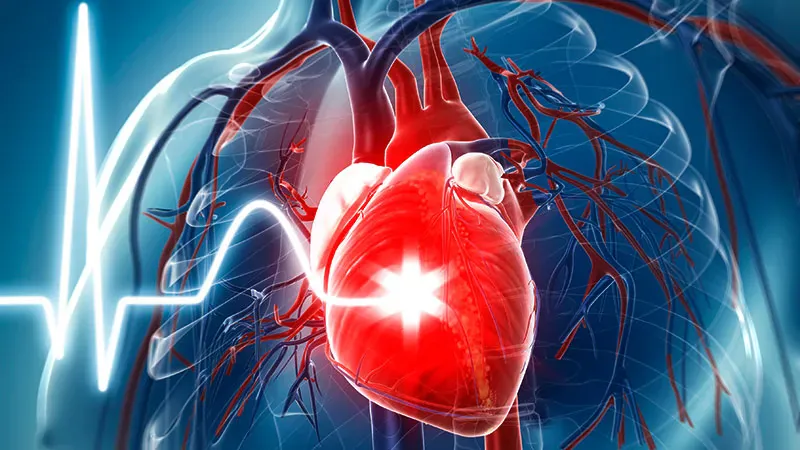
A key pressure reading could signal danger for ECMO patients. A large registry study found that cardiogenic shock patients on VA ECMO with higher pulmonary artery diastolic (PAD) pressure at 24 hours faced a 29% greater risk of in-hospital death. Interestingly, using a pulmonary artery catheter for monitoring didn't improve survival outcomes on its own.
For patients in cardiogenic shock supported by venoarterial (VA) ECMO, a single pressure measurement taken at 24 hours may carry significant prognostic weight. A new study published in JACC: Heart Failure found that higher pulmonary artery diastolic (PAD) pressure at the 24-hour mark was strongly linked to increased in-hospital mortality — even after accounting for age, shock severity, and prior cardiac arrest.
The study, led by researchers at the University of Utah, analyzed data from over 7,600 adults in the ELSO registry who received VA ECMO for cardiogenic shock between 2015 and 2020. Notably, simply having a pulmonary artery catheter (PAC) in place for hemodynamic monitoring was not associated with a survival benefit. Additional left ventricular unloading devices also failed to show a significant survival advantage.
Why it matters: These findings suggest that PAD pressure at 24 hours could serve as a practical hemodynamic target during VA ECMO support, helping clinicians identify high-risk patients earlier and potentially guiding future trials on mechanical unloading strategies.