Curie Brief
Turn on cookies to sign in
Signing in saves your progress to your Curie account. We can only do that with cookies on — turn them on to continue.
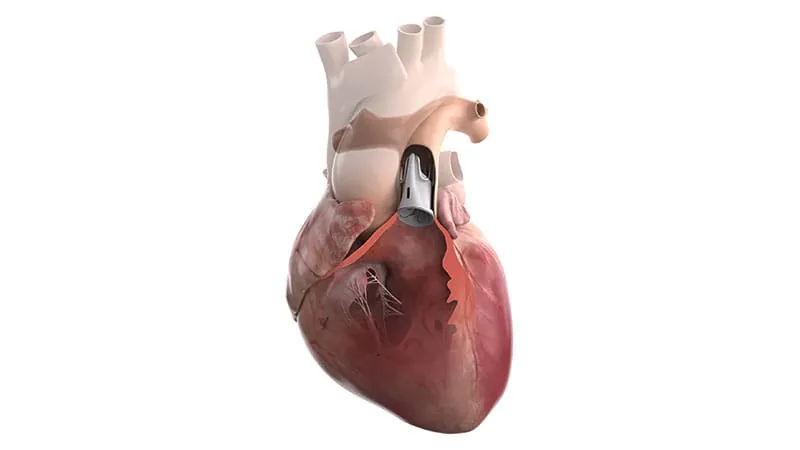
The DEDICATE-DZHK6 trial showed TAVI was noninferior to open-heart surgery (SAVR) in low-to-intermediate-risk aortic stenosis patients — but new Dutch registry data suggest the gap may be smaller than it appeared. When real-world SAVR patients were compared to trial participants, surgical outcomes in the trial looked unusually poor. Experts say the findings highlight the limits of applying RCT data to everyday clinical practice.
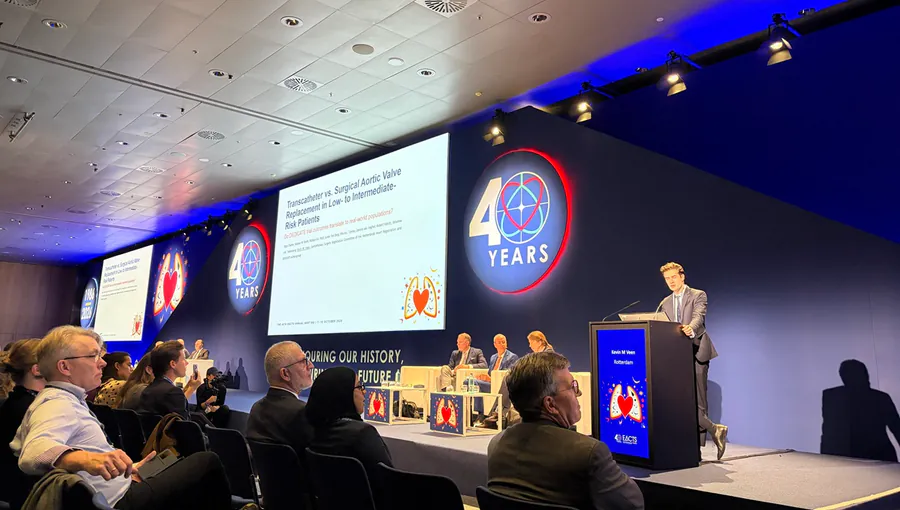
The DEDICATE-DZHK6 trial made waves in 2024 by showing TAVI (transcatheter aortic valve implantation) was noninferior to SAVR (surgical aortic valve replacement) in low-to-intermediate-risk patients with aortic stenosis — but surgeons were puzzled by unexpectedly high complication rates in the surgical arm. Now, a new registry-based analysis presented at the 2026 EACTS meeting in Barcelona is adding important nuance.
Researchers compared 3,389 real-world Dutch SAVR patients with trial participants from DEDICATE-DZHK6 using propensity-score matching. They found that trial SAVR patients had significantly higher risks of stroke and death compared to registry patients — suggesting the trial's surgical arm may not reflect typical surgical practice. When TAVI trial patients were benchmarked against registry SAVR patients, the stroke and composite outcome benefits disappeared, though a mortality benefit for TAVI persisted.
Key Takeaways:
Why it matters: This analysis challenges clinicians to ask whether trial evidence truly applies to the patient in front of them. With European guidelines now recommending TAVI consideration starting at age 70, heart teams must weigh individual patient profiles carefully — especially in the "gray zone" between 70 and 75 years old.