Curie Brief
Turn on cookies to sign in
Signing in saves your progress to your Curie account. We can only do that with cookies on — turn them on to continue.
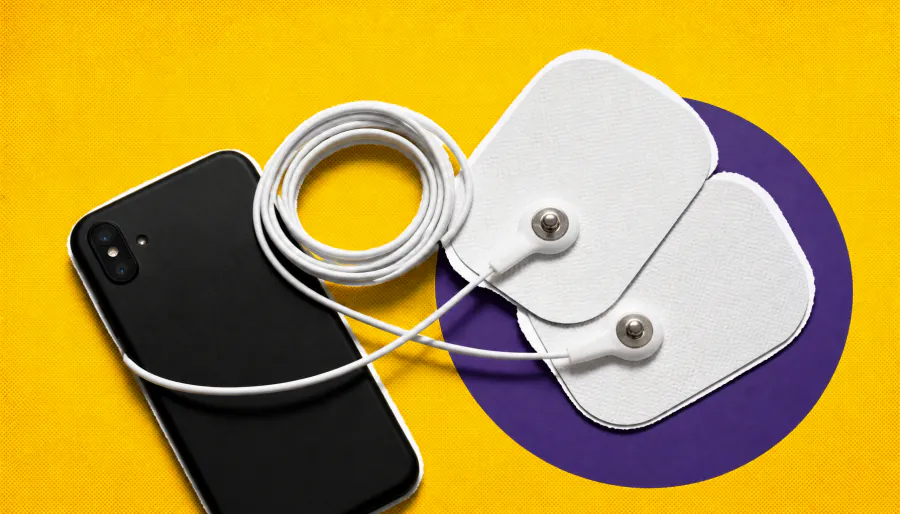
Smartphone-activated community first responders didn't improve 30-day survival after out-of-hospital cardiac arrest, according to the HeartRunner randomized trial. Despite doubling bystander defibrillation rates, the program couldn't outpace already-fast EMS response times. Experts say the findings don't close the door on community response programs — but better designs may be needed.
Community first responder programs — where smartphone apps alert nearby citizens to rush to a cardiac arrest victim and perform CPR or use an AED — are spreading fast worldwide. But the HeartRunner trial, presented at the European Society of Cardiology Congress, found that activating these volunteers didn't actually improve 30-day survival compared to standard EMS response alone, across 2,060 out-of-hospital cardiac arrest cases.
So why didn't it work? Researchers point to three key factors: baseline bystander CPR rates were already high (75–78%), only about 30% of patients had a shockable heart rhythm (the group most likely to benefit from an AED), and EMS arrived so quickly — within about 5 minutes of community responder activation — that there was barely enough time for volunteers to locate, retrieve, and deploy an AED before the ambulance showed up.
By the Numbers:
Why it matters: This is one of the first randomized trials in this space — most prior evidence came from observational studies prone to bias. While the results are sobering, experts stress that the findings highlight the need for smarter program design, not abandonment of the community responder concept altogether.