Curie Brief
Turn on cookies to sign in
Signing in saves your progress to your Curie account. We can only do that with cookies on — turn them on to continue.
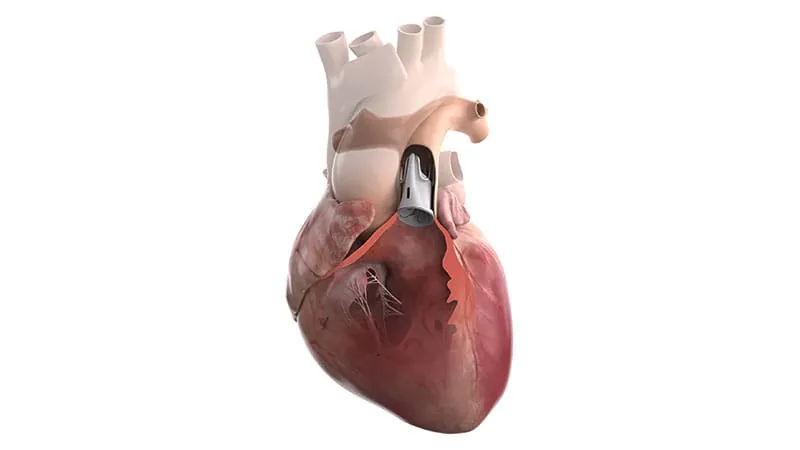
A first-of-its-kind expandable pulmonary valve just got FDA approval — and it could be a game-changer for kids with congenital heart disease. The Autus Size-Adjustable Valve starts at 13 mm and can be expanded up to 22 mm via a non-surgical balloon catheter procedure as a child grows. In a 62-patient trial, all procedures were successful with no deaths, strokes, or clot-related complications.
Kids born with congenital heart disease (CHD) often face a frustrating cycle: get a valve, outgrow it, get another surgery, repeat. The FDA just approved a device that could break that cycle. The Autus Size-Adjustable Valve (Edwards Lifesciences) is the first surgically implanted pulmonary valve designed to expand as a child grows — potentially eliminating the need for repeat open-heart surgery.
Here's how it works: the valve is implanted at ~13 mm (toddler-sized) and can be expanded up to 22 mm (adult-sized) using a non-invasive balloon catheter procedure in a cath lab. It's also the first FDA-approved heart valve made with polymeric (ePTFE) leaflets instead of animal-derived tissue, which tends to stiffen and fail over time.
By the Numbers:
Why it matters: Repeat open-heart surgeries carry serious risks and take a significant toll on children and families. A valve that grows with the patient — and can be adjusted without going back to the OR — could meaningfully improve quality of life and long-term outcomes for thousands of kids. Longer-term studies are ongoing to confirm durability.