Curie Brief
Turn on cookies to sign in
Signing in saves your progress to your Curie account. We can only do that with cookies on — turn them on to continue.
Three months of macular carotenoid supplements isn't enough to see retinal changes. A new randomized controlled trial found that while participants absorbed the nutrients — lutein, zeaxanthin, and meso-zeaxanthin — their retinal health markers stayed unchanged. Researchers suggest longer supplementation periods or studies in older, higher-risk populations may be needed to detect a real effect.
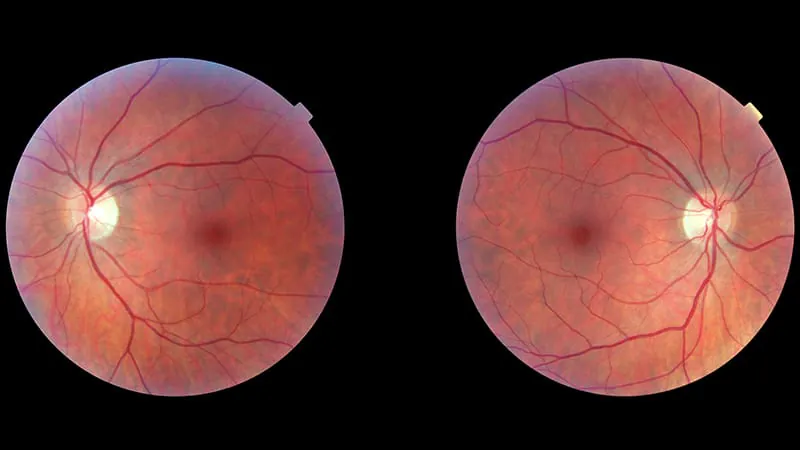
Macular carotenoids — lutein, zeaxanthin, and meso-zeaxanthin — are popular nutritional supplements thought to protect the retina by filtering harmful light and acting as antioxidants. But a new study presented at Academy 2026 suggests that three months of supplementation isn't long enough to produce measurable changes in retinal health among healthy adults.
In a 3-month double-blind randomized controlled trial of 52 healthy adults, participants took either an oral macular carotenoid supplement or a placebo. While skin carotenoid levels — used as a marker of systemic absorption — rose significantly at both 1 and 3 months, no significant changes were detected in any retinal parameter, including macular pigment optical density or fundus autofluorescence.
Key Takeaways:
Why it matters: As carotenoid supplements grow in popularity for eye health, this study highlights that short-term use may not be sufficient to produce detectable retinal changes — at least in healthy eyes. Future research targeting at-risk populations or longer timeframes could better clarify whether these supplements truly deliver on their retinal health promise.