Curie Brief
Turn on cookies to sign in
Signing in saves your progress to your Curie account. We can only do that with cookies on — turn them on to continue.
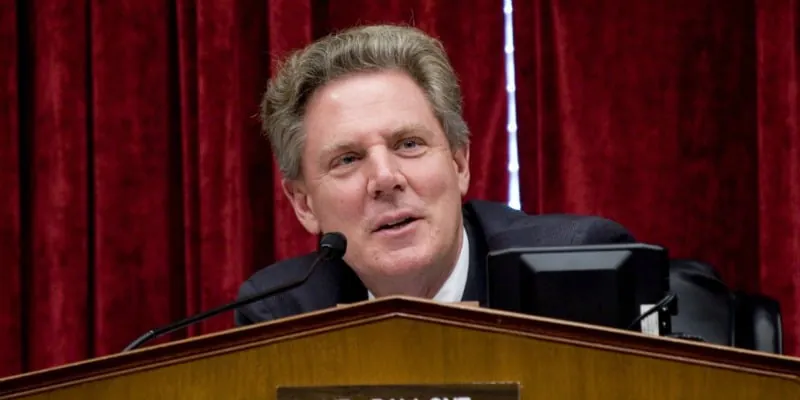
Rep. Frank Pallone, one of the No Surprises Act's original authors, introduced new legislation to scrap the law's "broken" arbitration system. His Lower Premiums, Faster Payments Act would swap out the Independent Dispute Resolution process for market-based benchmarks tied to median in-network rates, with payments required within 30 days. The IDR system has racked up $22.4 billion in total costs by end of 2025—far beyond what Congress anticipated.
Rep. Frank Pallone (D-NJ), one of the architects of the landmark No Surprises Act, is now calling for a major overhaul of the very system he helped create. His new bill, the Lower Premiums, Faster Payments Act, would eliminate the law's Independent Dispute Resolution (IDR) arbitration process and replace it with market-based benchmarks based on median in-network rates—with payments required within 30 days of a filed claim.
Pallone says the NSA largely succeeded in shielding patients from surprise medical bills, but a "few bad actors—largely backed by private equity" have exploited the arbitration system, creating backlogs, delaying payments, and driving up premiums. Arbitration firms have overwhelmingly sided with providers, and a flood of disputes—many aided by third-party vendors—has frustrated payers and employers alike.
By the Numbers:
Why it matters: If Pallone's party retakes the House, he's in line to chair the Energy and Commerce Committee—giving his bill a real shot at advancing. The outcome could reshape how out-of-network billing disputes are settled, with major implications for providers, insurers, and patients' premiums.