Curie Brief
Turn on cookies to sign in
Signing in saves your progress to your Curie account. We can only do that with cookies on — turn them on to continue.
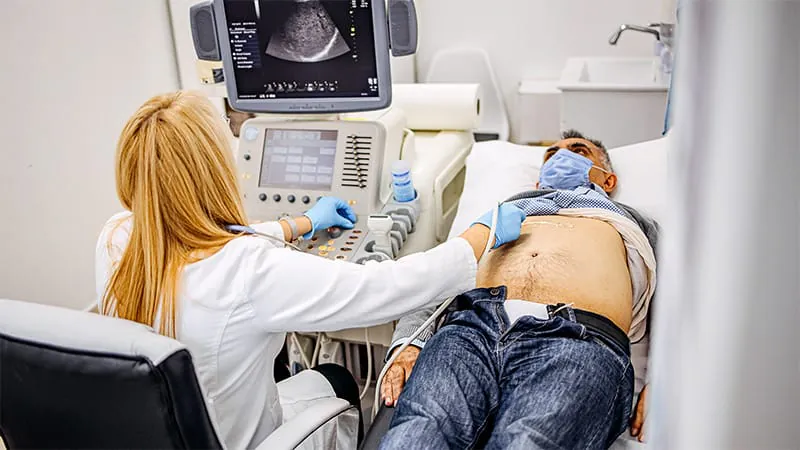
CT use for kidney stones in US emergency departments jumped from 74% to 90% over nine years, while ultrasound use quietly dropped. Hospital admissions for kidney stones also climbed significantly. The shift signals changing practice patterns—and raises questions about imaging choices and resource use in the ER.
Kidney stones are landing more patients in the hospital, and emergency departments are increasingly reaching for CT scanners to confirm the diagnosis. A large cross-sectional study using data from over 42,000 US hospitals found that CT use for nephrolithiasis surged from 73.8% in 2016 to 89.8% in 2024—while ultrasound use slipped from 5.8% to just 3.8% over the same period.
Beyond imaging, the study also captured notable shifts in how kidney stone patients are being managed. Opioid use in the ED dropped from 61.5% to 49.7%, with ketorolac emerging as the go-to painkiller. Tamsulosin remained the top discharge medication, and surgical interventions like cystoscopy with stent placement more than doubled.
By the Numbers:
Why it matters: These trends point to a growing reliance on CT imaging and inpatient care for a condition that's increasingly common. Understanding these shifts can help drive quality improvement efforts—especially around smarter imaging decisions and reducing unnecessary radiation exposure.