Curie Brief
Turn on cookies to sign in
Signing in saves your progress to your Curie account. We can only do that with cookies on — turn them on to continue.
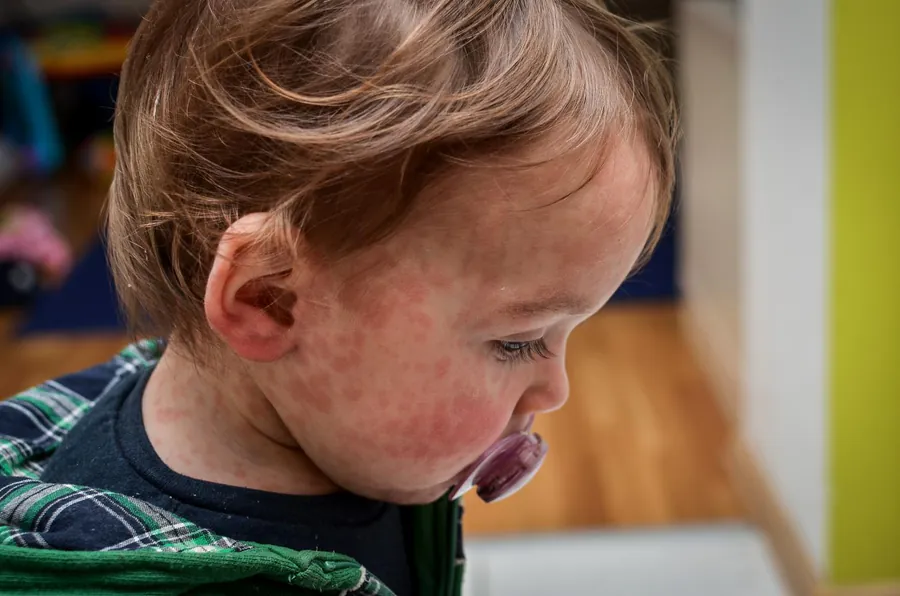
Pennsylvania has confirmed 1,004 measles cases in 2026 — the first state to surpass 1,000 in 35 years — with five deaths, all in unvaccinated individuals. Nationally, the CDC has logged 3,887 cases, the most since 1991. Experts warn measles may now be endemic in the US, and New York's governor has declared a state disaster emergency in response.
Pennsylvania has become the first US state in 35 years to surpass 1,000 measles cases in a single year, confirming 1,004 infections as of this week — a jump of 106 cases in just seven days. More than 99% of those infected were unvaccinated, and five people have died, including two infants, a young woman undergoing chemotherapy for leukemia, a woman with COPD and asthma, and an 18-year-old who developed a rare neurological complication. Nationally, the CDC has tallied 3,887 cases — the highest count since 1991 — spanning 45 states plus Washington, DC and New York City.
Experts say the true case count is likely far higher. With five deaths in Pennsylvania, and measles typically killing 1–3 per 1,000 infected, the actual number of infections could exceed 5,000 in the state alone. Milder cases — especially in communities like the Amish, who often care for sick children at home — are likely going undetected. Unusually, 69% of Pennsylvania's cases are in adults, with the 25–49 age group hit hardest.
By the Numbers:
Why it matters: The US declared measles eliminated in 2000, but experts now predict the country could lose that status as early as next month. With vaccination rates falling below the 95% threshold needed for herd immunity, and New York's governor declaring a state disaster emergency, the outbreak signals a serious and potentially lasting public health setback.