Curie Brief
Turn on cookies to sign in
Signing in saves your progress to your Curie account. We can only do that with cookies on — turn them on to continue.
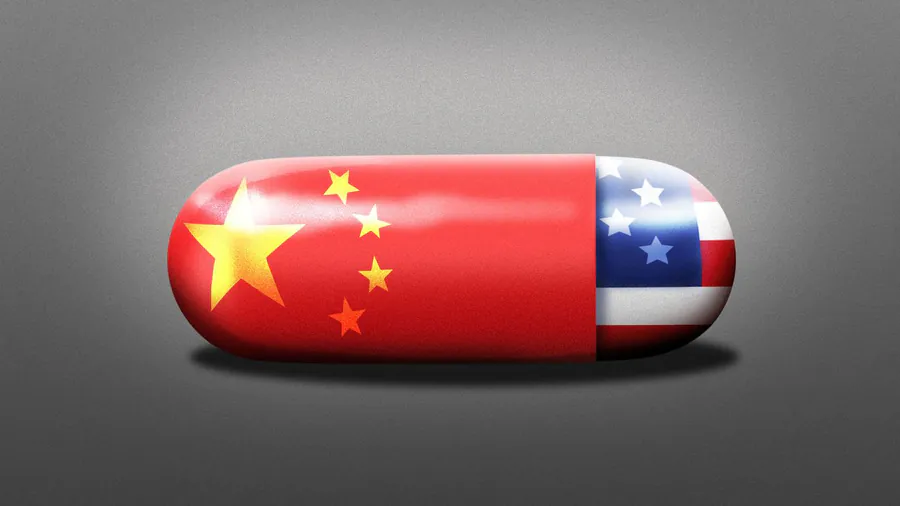
Western pharma keeps looking East. Novartis just inked a licensing deal worth up to $7.8 billion with China's Abogen Biosciences for an mRNA-encoded T-cell engager targeting autoimmune diseases. The blockbuster agreement is the latest sign that China is rapidly evolving from a generics supplier into a serious force in novel drug development — raising both economic and national security questions.
Western pharma keeps looking East. Novartis has signed a licensing deal with China's Abogen Biosciences worth up to $7.8 billion, marking one of the largest Western-Chinese biotech partnerships to date. The deal centers on an mRNA-encoded T-cell engager — a cutting-edge therapeutic modality — that Novartis believes holds promise for treating autoimmune diseases.
The agreement reflects a broader and accelerating trend of major Western pharmaceutical companies tapping into China's rapidly maturing biotech ecosystem. Analysts warn this shift could position China as a genuine rival to the U.S. in drug innovation, with potential ripple effects on both global economic competitiveness and national security.
By the Numbers:
Why it matters: China has undergone a government-engineered transformation from a supplier of pharmaceutical ingredients and generics into a developer of novel, first-in-class drugs. As deals like this become more common, they signal a fundamental reshaping of the global pharmaceutical landscape — one that policymakers, health systems, and investors will need to watch closely.