Curie Brief
Turn on cookies to sign in
Signing in saves your progress to your Curie account. We can only do that with cookies on — turn them on to continue.
A new synthetic opioid called cychlorphine — up to 10 times more potent than fentanyl — is spreading rapidly across the U.S., with at least 24 states reporting overdoses or deaths. The drug is undetectable by standard drug tests, creating a dangerous blind spot for emergency clinicians. Naloxone still works, but patients often need higher or repeated doses.
A new synthetic opioid is raising serious alarms. Cychlorphine, described by the White House Office of National Drug Control Policy (ONDCP) as up to 10 times more potent than fentanyl, has rapidly expanded from just one reported case in 2024 to overdose reports across at least 24 states as of early 2026. Health officials in more than a dozen states have issued formal warnings, and Tennessee alone accounts for 41 of the 55 cychlorphine-involved overdose deaths reported nationally between July 2025 and February 2026.
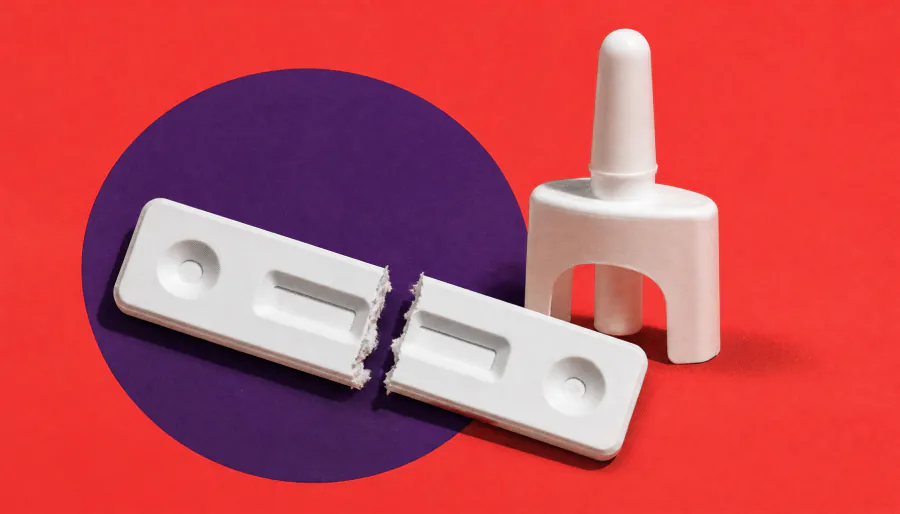
What makes cychlorphine especially alarming is its invisibility to standard drug testing. Routine hospital immunoassays and fentanyl test strips cannot detect it, forcing clinicians to rely solely on clinical presentation. Experts recommend advanced confirmatory testing — like liquid chromatography-mass spectrometry — for atypical overdose cases, though cost and turnaround time limit bedside utility. The drug's rise is linked to China's scheduling of nitazenes in mid-2025, which pushed illicit manufacturers toward new compounds.
Key Takeaways:
Why it matters: Cychlorphine represents the next frontier of the synthetic opioid crisis — more potent, harder to detect, and already deadly. For frontline clinicians and public health officials, the window to get ahead of this threat is narrow.