Curie Brief
Turn on cookies to sign in
Signing in saves your progress to your Curie account. We can only do that with cookies on — turn them on to continue.
Bangladesh's dengue outbreak is getting worse, with September recording the highest death toll of the year — and experts say October could be even deadlier. Changing rainfall patterns are keeping mosquitoes active longer, while hospitals are already stretched thin battling a simultaneous measles outbreak. Officials are urging communities to eliminate mosquito breeding sites before the crisis escalates further.
Bangladesh is heading into October with a worsening dengue crisis after its deadliest month of the year. Experts warn that recent rainfall and shifting weather patterns could sustain — and even accelerate — transmission through October, traditionally a peak month for the disease. The outbreak is compounding pressure on a healthcare system already overwhelmed by the world's worst measles outbreak, which has killed more than 1,100 children this year.
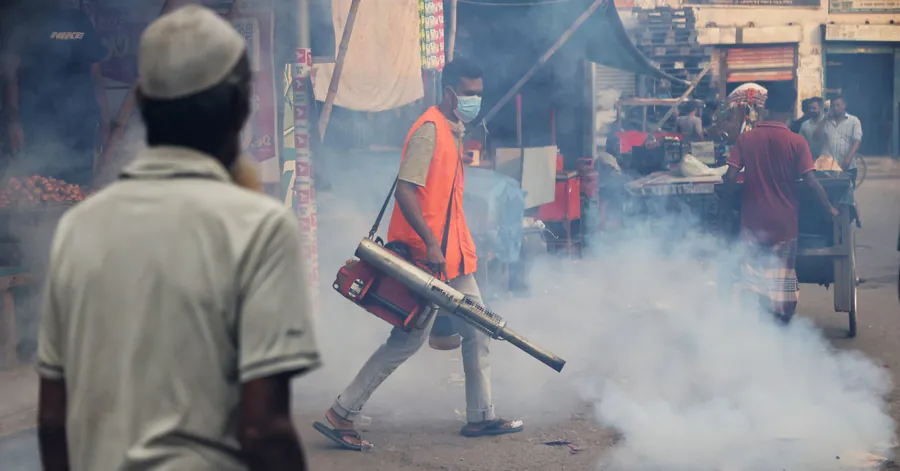
Climate change is adding a layer of complexity. A 22-year study found that temperature and rainfall in preceding months are closely tied to dengue transmission, and researchers note that changing weather patterns are keeping Aedes mosquitoes active for longer periods. Experts stress that fogging alone won't cut it — eliminating stagnant water breeding sites is critical, and community-level action must go hand in hand with government efforts.
By the Numbers:
Why it matters: Bangladesh's health system is facing a dangerous double burden — dengue and measles simultaneously — with limited capacity to cope. Without aggressive mosquito control and community prevention, the toll could rise sharply in the weeks ahead.