Curie Brief
Turn on cookies to sign in
Signing in saves your progress to your Curie account. We can only do that with cookies on — turn them on to continue.
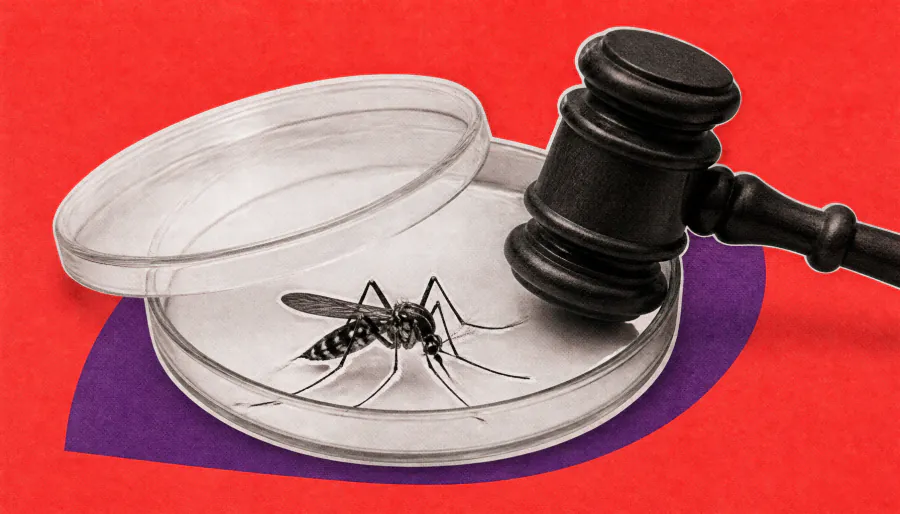
Florida's dengue outbreak is breaking new ground — literally. Three counties near Tampa have declared states of emergency as locally acquired cases surge northward beyond the disease's traditional South Florida footprint. With 190 confirmed local cases in 2026 and an El Niño winter keeping mosquitoes alive longer, experts warn the threat isn't going away anytime soon.
Florida's dengue problem just got a lot bigger — and a lot more geographically worrying. Three counties on the state's central Gulf Coast (Hillsborough, Pasco, and Pinellas) have declared states of emergency after a dramatic surge in locally acquired dengue fever cases. What's alarming experts isn't just the numbers — it's the location. Dengue has historically been a South Florida issue, but in 2026, the outbreak has jumped north to the Tampa area in a way that hasn't been seen before.
Making matters worse, this year's El Niño weather pattern is expected to extend warm, wet conditions through winter, keeping dengue-carrying Aedes aegypti mosquitoes active well past their usual season. And with the U.S.'s only licensed dengue vaccine recently pulled from the market due to low demand, there's currently no approved immunization option available domestically.
By the Numbers:
Why it matters: Dengue's northward shift in Florida signals a potential expansion of the disease's endemic range in the U.S., with climate patterns amplifying the risk. The absence of an available vaccine leaves prevention entirely dependent on mosquito control — a tough ask heading into a warmer-than-usual winter.