Curie Brief
Turn on cookies to sign in
Signing in saves your progress to your Curie account. We can only do that with cookies on — turn them on to continue.
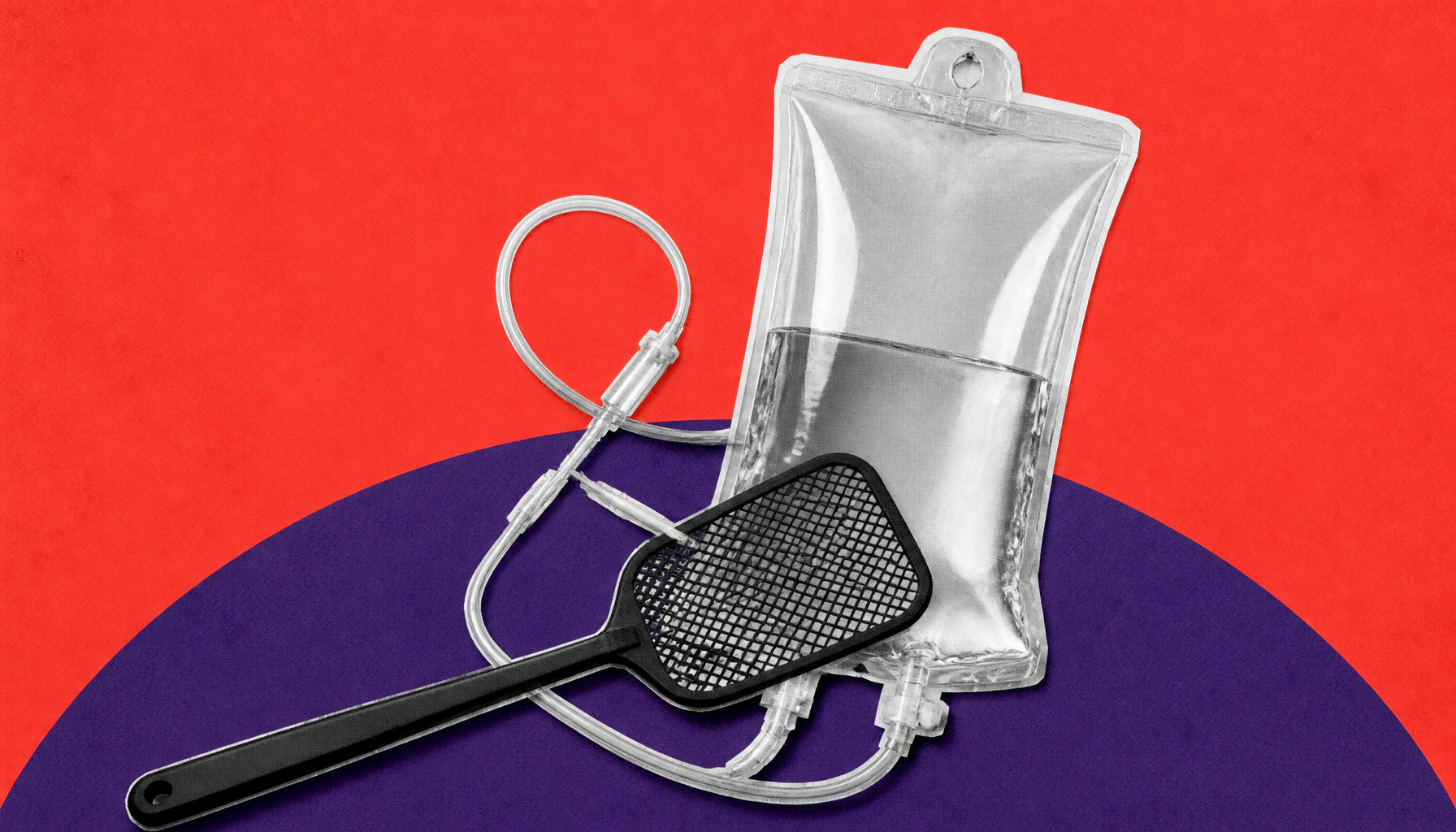
Florida is battling one of its worst dengue outbreaks in decades, and it just claimed its first life. An elderly Tampa woman died on Sept. 4, as Hillsborough County alone has logged over 130 locally acquired cases in 2026. Experts warn this surge may be the "new normal" as climate change expands mosquito habitats.
Florida is in the grip of its second-worst dengue outbreak on record, and the toll is now personal. An elderly Tampa woman died on Sept. 4 — the first confirmed dengue death tied to this year's outbreak — as Hillsborough County, which encompasses Tampa, has recorded more than 130 locally acquired cases in 2026. That's a dramatic spike from the typical handful seen in a normal year.
Statewide, Florida has tallied 152 locally acquired cases so far this year, putting 2026 just behind 2023's near-200-case peak. Nationally, 1,480 locally acquired cases have been reported as of Sept. 16, with most concentrated in Puerto Rico and American Samoa.
Experts point to climate change as a key driver, with warm-weather mosquitoes expanding into new territories and recent weather conditions accelerating their spread in Florida. University of Florida professor Michael von Fricken warns the threat isn't going away anytime soon.
By the Numbers:
Why it matters: Dengue outbreaks in the continental U.S. were once rare, but shifting climate patterns are making local transmission increasingly common. With mosquito populations thriving and cases likely underreported — many infections are asymptomatic — health officials and clinicians need to keep dengue on their radar, especially in Florida.