Curie Brief
Turn on cookies to sign in
Signing in saves your progress to your Curie account. We can only do that with cookies on — turn them on to continue.
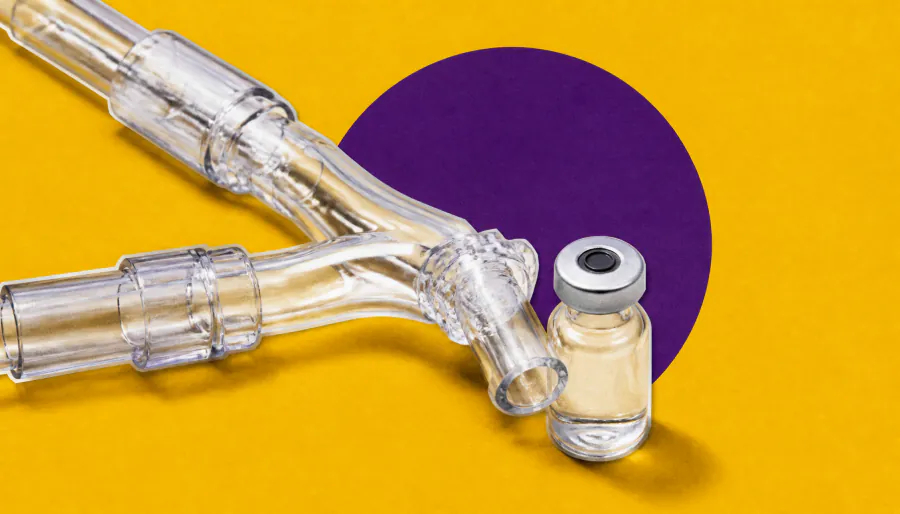
A phase 2 study found that combining mosunetuzumab and polatuzumab vedotin produced strong response rates in patients with relapsed or refractory mantle cell lymphoma (MCL) after prior BTK inhibitor therapy. Nearly 88% of patients responded overall, with a complete response rate of nearly 79%. The regimen showed a manageable safety profile, with no severe cytokine release syndrome cases reported.
Patients with relapsed or refractory mantle cell lymphoma (MCL) — especially those who've already been through multiple treatment lines including BTK inhibitors — face grim odds, with survival often under a year. A new phase 2 study published in Blood suggests a fixed-term combination of mosunetuzumab (a CD20/CD3 bispecific antibody) and polatuzumab vedotin (a CD79b-targeting antibody-drug conjugate) could meaningfully change that picture.
Across 42 heavily pretreated patients, the regimen delivered an objective response rate of 88.1% and a complete response rate of 78.6%. Even among the highest-risk patients — those with TP53 mutations — the complete response rate reached 90%. Safety was manageable, with cytokine release syndrome occurring in 43% of patients but all cases remaining grade 1 or 2.
Why it matters: MCL after BTK inhibitor failure is one of oncology's toughest challenges. This combination offers a potentially effective, time-limited treatment option — and the strong responses seen in TP53-mutated patients are especially notable, as this subgroup typically fares the worst.