Curie Brief
Turn on cookies to sign in
Signing in saves your progress to your Curie account. We can only do that with cookies on — turn them on to continue.
Cholera deaths surged 30% in 2025 to their highest level since 1999, even as total reported cases declined. Seven countries accounted for 90% of global cases and deaths, with the African region hit hardest. WHO is calling for urgent investment in clean water, sanitation, and vaccination to reverse the trend.
Cholera deaths jumped 30% in 2025, reaching 7,870 — the highest annual toll reported to WHO since 1999 — even as the total number of cases (451,499 across 47 countries) dipped. The disconnect points to a troubling reality: patients aren't getting care fast enough. More than one in five cholera deaths occurred outside health facilities, and 12 countries exceeded the 1% facility fatality rate threshold that signals inadequate care.
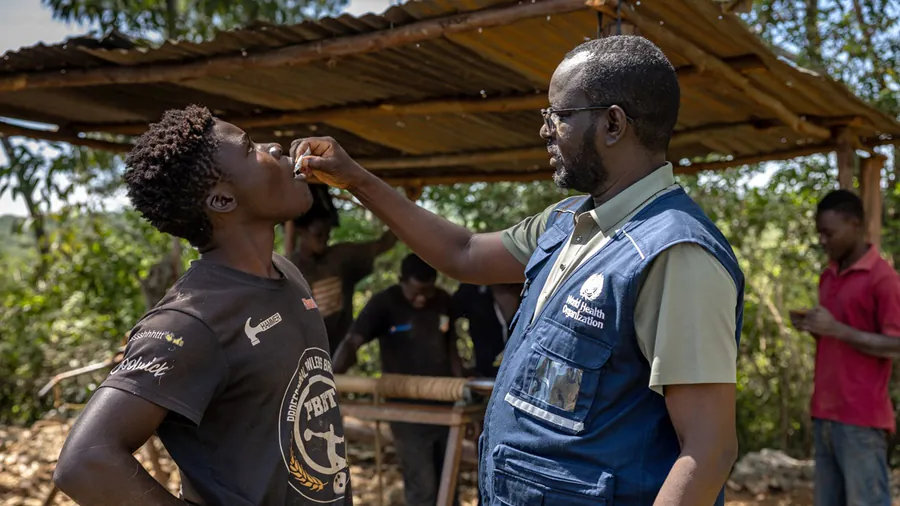
Seven countries — Angola, Bangladesh, the Democratic Republic of the Congo, Nigeria, South Sudan, Sudan, and Yemen — drove roughly 90% of all reported cases and deaths. The WHO African Region bore the heaviest burden, with a 58% spike in deaths compared to 2024. On a brighter note, global oral cholera vaccine production more than doubled since 2022, reaching ~80 million doses annually.
On the meningitis front, vaccination is making real headway — serogroup A cases have dropped by over 99% since the meningococcal A conjugate vaccine launched in 2010. Meanwhile, plague remains a concern in DRC and Madagascar, with an 11% case fatality rate reported between 2019 and 2025.
Why it matters: These trends underscore that preventable diseases are still claiming lives at alarming rates — not because we lack the tools, but because access to clean water, sanitation, and timely care remains deeply unequal. Targeted investment in the most affected countries could dramatically shift the trajectory.