Curie Brief
Turn on cookies to sign in
Signing in saves your progress to your Curie account. We can only do that with cookies on — turn them on to continue.
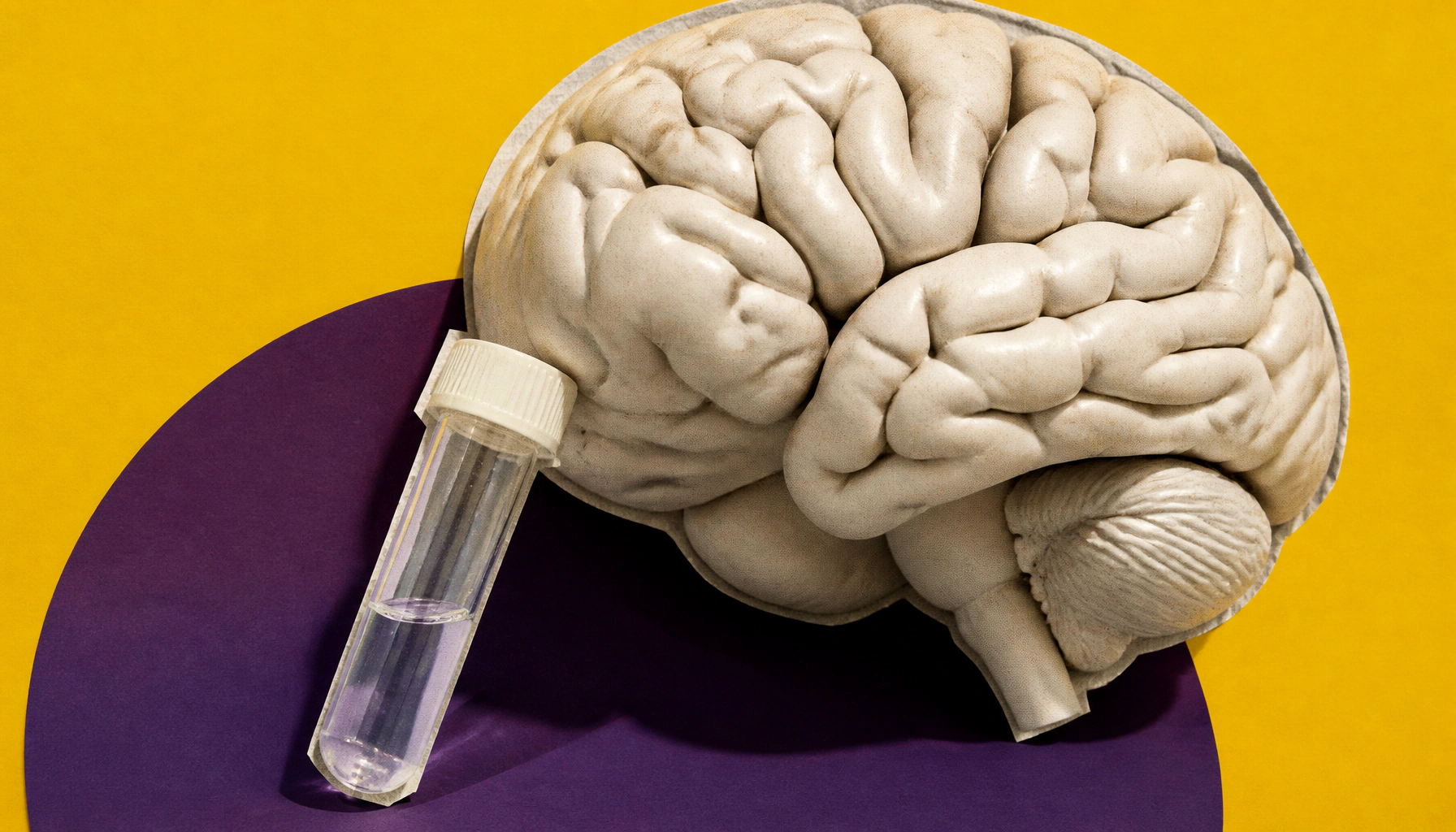
Diagnosing meningitis and encephalitis just got a big upgrade. Researchers at Aston University developed a metagenomic sequencing method paired with a novel computational filtering system that can identify disease-causing pathogens in cerebrospinal fluid — even unexpected ones. The technique tackles a long-standing problem: in over half of suspected CNS infection cases, conventional tests fail to find the culprit.
Diagnosing central nervous system (CNS) infections like meningitis and encephalitis has long been a frustrating puzzle — conventional tests work well when clinicians already suspect a specific pathogen, but fall short when the cause is unusual or present in tiny amounts. Now, a team led by Dr. Ghaniah Hassan-Smith at Aston University has developed a new approach that could change that.
The method combines metagenomic sequencing — which analyzes all genetic material in a cerebrospinal fluid sample — with a custom bioinformatics filtering system designed to strip away background noise (think: skin bacteria or lab contaminants) and zero in on the real infectious agent. Rather than relying on a single result, it integrates multiple sequencing signals for a more reliable read.
Key Takeaways:
Why it matters: CNS infections can be life-threatening and demand rapid treatment. A tool that reliably identifies pathogens — even when clinicians don't know what they're looking for — could meaningfully reduce diagnostic delays and improve patient outcomes.