Curie Brief
Turn on cookies to sign in
Signing in saves your progress to your Curie account. We can only do that with cookies on — turn them on to continue.
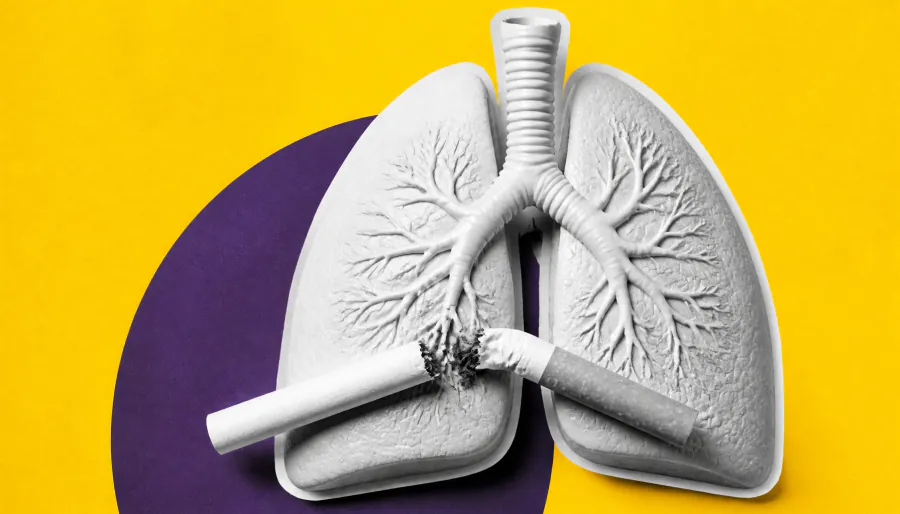
Cancer mortality in the US has been steadily declining even as overall incidence holds relatively steady, according to a new annual report published in Cancer. The biggest driver? Remarkable progress against lung cancer, fueled by fewer smokers, more screenings, and better treatments. The 5-year survival rate for lung cancer has doubled over roughly two decades.
Cancer is still one of the leading causes of death in the US, but the trend lines are moving in the right direction. A new annual report published in Cancer finds that while overall cancer incidence has risen slightly or stayed flat in recent years, cancer death rates have been falling steadily — dropping 1.6%–2.1% per year in men and 1.1%–1.8% per year in women. The overall cancer death rate stood at 145.5 per 100,000 during 2019–2023.
The standout story is lung cancer. Smoking rates plummeted from 22.6% in 2001 to just 9.9% in 2024, while lung cancer screening uptake among eligible individuals jumped from 4.5% to 18.7% over roughly the same period. The result: lung cancer death rates dropped 52% in men and 37% in women between 2004 and 2023, and the share of cases caught at an early, localized stage nearly doubled.
By the Numbers:
Why it matters: These findings show that a combination of prevention (less smoking), early detection (more screening), and better treatments can meaningfully bend the cancer mortality curve — offering a roadmap for sustaining and expanding progress across other cancer types.