Curie Brief
Turn on cookies to sign in
Signing in saves your progress to your Curie account. We can only do that with cookies on — turn them on to continue.
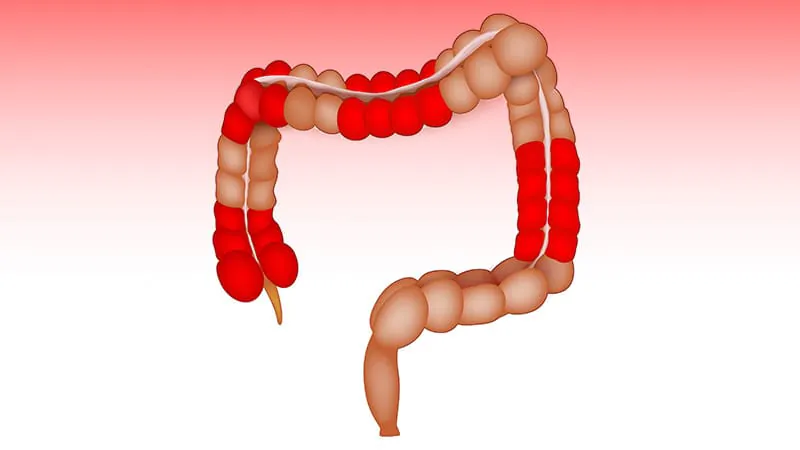
A large Swedish study found that adding corticosteroids to IBD treatment dramatically raises the risk of serious infections — up to 16 times higher than the general population for patients on immunomodulators or advanced therapies. Children face the steepest relative risk jump, while older adults carry the heaviest absolute burden. Risk also scales with cumulative steroid dose.
A nationwide Swedish registry study tracking IBD patients from 2007 to 2024 has put hard numbers on something clinicians have long suspected: corticosteroids significantly amplify the risk of serious infections in IBD, and the effect is dose-dependent. Across all treatment groups — from treatment-naive patients to those on advanced biologics or JAK inhibitors — adding steroids was associated with a two- to fourfold higher infection risk compared to steroid-free periods on the same therapy.
The findings are especially striking for children under 18, whose relative infection risk soared 30–50 times above the general population when corticosteroids were layered onto immunomodulators or advanced therapies. Meanwhile, adults 60 and older faced the highest absolute infection rates, underscoring that age shapes how this risk plays out in practice.
By the Numbers:
Why it matters: These real-world data reinforce that corticosteroid use in IBD is far from benign, particularly in vulnerable populations. Clinicians should factor in individualized infection risk-stratification and consider preventive measures — like vaccinations or prophylactic antibiotics — whenever steroids are part of the treatment plan.