Curie Brief
Turn on cookies to sign in
Signing in saves your progress to your Curie account. We can only do that with cookies on — turn them on to continue.
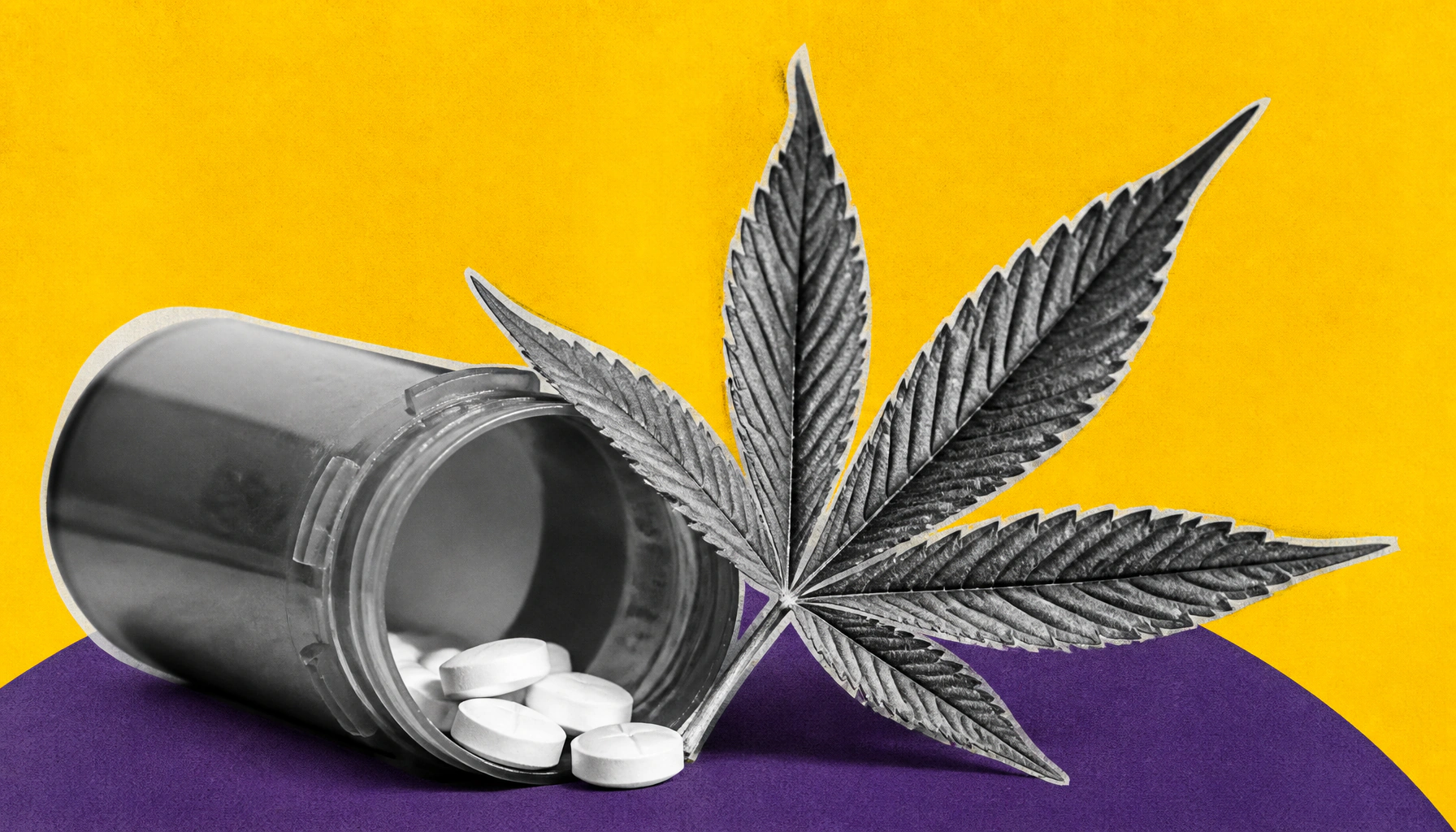
A new survey finds that most IBD patients using marijuana report real relief — from anxiety and joint pain to nausea — and many say it's helped them cut back on opioids. Nearly 70% used it daily or almost daily, and 88% reported a better quality of life. But a key gap remains: only 1 in 4 patients received counseling on how cannabis might interact with their other medications.
A survey of 108 IBD patients at the University of Florida found that marijuana use was tied to meaningful symptom relief, better daily functioning, and reduced reliance on opioid pain medications. Most respondents used marijuana daily or near-daily, primarily for anxiety, joint pain, and nausea — and nearly 9 in 10 reported an improved quality of life. Daily users were also more likely to be employed and live independently.
Despite the widespread use, a significant knowledge gap persists. Only 24.5% of patients had been counseled on potential drug interactions between cannabis and their prescription medications — a concern given that most were on pharmacotherapy, including biologics. Notably, patients largely understood that marijuana doesn't directly reduce gut inflammation, with 67.6% acknowledging it doesn't improve intestinal disease activity.
By the Numbers:
Why it matters: As marijuana legalization expands across the U.S., IBD clinicians need to proactively screen for cannabis use, counsel patients on the difference between symptom relief and inflammation control, and flag potential drug interactions — especially for those on complex biologic regimens.